
Best for provider-guided online assessment: NowCare; best for home treatment of a confirmed wart: salicylic acid; best for a procedure: in-person clinical care. This 2026 guide compares foot-wart care options, explains what telehealth can handle, and identifies when plantar wart removal needs an examination.
- NowCare is a best telehealth foot warts treatment choice for provider-guided assessment, not hands-on plantar wart removal.
- Salicylic acid is a home-treatment option for confirmed plantar warts when your medical history and product instructions permit.
- Office cryotherapy treats warts in person; freezing is not part of a video visit.
- Diabetes, poor circulation, reduced sensation, or an open wound warrant clinician guidance before wart treatment.
Why this matters
A painful spot on the sole is not automatically a plantar wart. Corns, calluses, foreign bodies, and other skin lesions can look similar, particularly in a photograph. Treating the wrong lesion with acid or a home freezing product can damage healthy skin.
The best starting point depends on whether you need an assessment, a home-treatment plan, or a procedure. Telehealth provides clinical guidance; it cannot physically remove a wart. That distinction matters more than a service's promise of convenience.
For this 2026 comparison, choose the route that matches your symptoms and medical history. A small, confirmed wart on otherwise healthy skin presents a different decision from a bleeding lesion, a painful growth that changes your walking, or a foot problem complicated by diabetes.
What makes the best foot-wart treatment option?
Use these criteria before choosing a service or treatment:
- Assessment before treatment: A clinician should consider whether the lesion is a wart and whether photographs provide enough information.
- Medical-history screening: Diabetes, poor circulation, reduced sensation, immune suppression, and damaged skin change the treatment decision.
- Treatment fit: Online guidance, topical treatment, freezing, and observation serve different needs. They are not interchangeable.
- Clear limitations: A useful service explains when an examination or hands-on procedure is necessary.
- Follow-up: Persistent pain, skin damage, or an uncertain diagnosis needs reassessment rather than repeated treatment without review.
- Practical burden: Consider application effort, discomfort, walking demands, and the need for office visits—not just the first appointment.
In 2026, these remain the questions to ask before starting plantar wart care. A treatment recommendation without a diagnosis check is not enough.
Foot-wart care options at a glance
The ranking below separates care routes by purpose. It does not treat an online service, an over-the-counter medicine, and an office procedure as equivalent products.
| Option | Best for | Standout feature | Key limitation |
|---|---|---|---|
| NowCare | Provider-guided online assessment | Licensed clinicians and ongoing care-team support | No hands-on examination or removal |
| Salicylic acid home treatment | Confirmed warts suitable for self-treatment | Repeated topical treatment at home | Can irritate healthy skin; unsuitable for some patients |
| Office cryotherapy | Patients seeking clinician-performed freezing | Liquid nitrogen applied during an appointment | Can hurt, blister, and require repeat visits |
| In-person specialist assessment | Persistent, atypical, or complicated lesions | Direct examination and treatment selection | Requires an office visit; removal is not automatic |
| Observation | Confirmed, painless warts without higher-risk features | Avoids treatment-related skin irritation | The wart remains and can spread |
1. NowCare: best telehealth for provider-guided assessment
NowCare connects patients with licensed clinicians for online foot and ankle care, including skin and infection concerns such as warts. The service uses secure intake, provides ongoing care-team support, and sends prescriptions to your chosen pharmacy when medically appropriate.
NowCare is best for foot-wart patients who want provider-guided online assessment before choosing treatment. Use the visit to discuss what the lesion looks like, how it feels, previous treatment, and medical conditions that affect foot safety. An online assessment does not replace an examination when the diagnosis is uncertain.
NowCare pros:
- Licensed clinicians review care plans and prescriptions.
- Foot-wart concerns sit within its foot and ankle care offering.
- Ongoing care-team support is part of the service.
- No insurance is required.
NowCare cons:
- Online care cannot palpate the lesion, assess it hands-on, or perform freezing.
- A concerning or unclear lesion needs in-person assessment rather than an online-only plan.
Best for: Patients seeking an online clinical starting point, not immediate physical removal.
Verdict: Choose for assessment; skip as a substitute for a procedure. Treatment should follow the clinician's findings, not the assumption that every sole lesion is a wart.
2. Salicylic acid: best for suitable home treatment
Salicylic acid wart treatments gradually remove affected skin through repeated application. They suit a confirmed wart when the product label and your medical history permit self-treatment. They do not deliver instant removal.
U.S. over-the-counter wart-remover labeling includes 17% salicylic acid liquids and 40% salicylic acid pads. Some labels allow treatment for up to 12 weeks. These are product-label examples, not a personalized regimen: follow the exact product's instructions and ask a clinician which formulation, if any, fits your lesion.
Salicylic acid pros:
- Treatment takes place at home.
- Different formulations offer different application methods.
- It avoids an office procedure when self-treatment is appropriate.
Salicylic acid cons:
- Acid can irritate or damage surrounding skin.
- Repeated application requires patience and attention to instructions.
- OTC labels warn against self-use with diabetes or poor circulation unless directed by a doctor.
Best for: Patients with a confirmed wart, intact skin, and no reason to avoid the selected product.
Do not apply wart remover to an unidentified growth, irritated skin, or an open wound. Reduced sensation also warrants clinical advice because you might not feel developing skin damage. Stop and seek guidance if treatment causes substantial pain, bleeding, or skin breakdown.
Verdict: Choose only after confirming that home treatment is appropriate. Stronger acid is not automatically a better choice.
3. Office cryotherapy: best for clinician-performed freezing
Office cryotherapy uses liquid nitrogen to freeze wart tissue. A clinician performs the treatment after assessing the lesion. It is an in-person option, not a telehealth procedure.
Discuss discomfort, blistering, and walking demands before treatment, especially if the wart sits on a weight-bearing area. Ask what to do if a blister forms and what symptoms require a call. Freezing does not guarantee that a plantar wart disappears after a single appointment.
Office cryotherapy pros:
- A clinician examines the lesion before treatment.
- The procedure targets the wart during the appointment.
- It offers an alternative when a suitable topical approach has not resolved the problem.
Office cryotherapy cons:
- Treatment can cause pain and blistering.
- Repeat appointments can be necessary.
- Foot discomfort after treatment can affect walking.
Best for: Patients who want a procedural option and accept its discomfort and visit requirements.
Home freezing kits are not the same treatment as clinician-applied liquid nitrogen. Do not assume that the technique, suitability, or aftercare is interchangeable simply because both products use the word freezing.
Verdict: Choose when an examining clinician recommends freezing. Skip the expectation of guaranteed, immediate removal.
4. In-person specialist assessment: best for difficult lesions
An in-person podiatry or dermatology assessment is the strongest next step when the diagnosis is unclear, treatment has failed, or the lesion has concerning features. The clinician can examine the skin directly and decide whether treatment, further investigation, or a different diagnosis fits.
Persistent lesions need a fresh assessment, not automatically a stronger treatment. An atypical growth sometimes requires a biopsy or another investigation; that decision belongs to the examining clinician. Removal is not always the first or safest action.
In-person specialist assessment pros:
- Allows a hands-on examination of the lesion and surrounding foot.
- Helps distinguish warts from other causes of painful thickened skin.
- Supports individualized decisions about procedures or further investigation.
In-person specialist assessment cons:
- Requires attendance at a clinical appointment.
- An assessment does not guarantee same-day removal.
- Any recommended procedure has its own risks and aftercare demands.
Best for: Persistent, repeatedly returning, unusually pigmented, bleeding, ulcerated, or diagnostically uncertain lesions.
People with diabetes, poor circulation, reduced sensation, or immune suppression should seek individualized guidance before selecting a removal method. These conditions change the safety decision even when the lesion looks small.
Verdict: Choose for uncertainty or complications; skip repeated self-treatment without reassessment.
5. Observation: best for confirmed, painless warts
Some plantar warts resolve without treatment as the immune system responds to the virus. Observation is an option when the diagnosis is clear, the wart is not causing meaningful symptoms, and your medical history does not require a different approach.
Observation means monitoring the lesion, not ignoring changes. Reconsider the plan if pain develops, walking becomes difficult, the lesion changes, or you notice additional spots. Avoid picking, cutting, or digging into it.
Observation pros:
- Avoids treatment-related irritation and procedural pain.
- Requires no daily application of a wart medicine.
- Leaves treatment available if symptoms or priorities change.
Observation cons:
- Resolution is unpredictable.
- The wart can persist or spread.
- A lesion that was misidentified as a wart remains unassessed.
Best for: A confirmed, painless wart without concerning changes or higher-risk medical features.
Waiting is not a suitable response to an infected wound or an unexplained changing growth. Fever, spreading redness, drainage, or substantial worsening pain calls for prompt clinical assessment rather than continued observation.
Verdict: Wait only when the diagnosis and safety checks support it. Skip watchful waiting for an uncertain or deteriorating lesion.
How these options are ranked
This 2026 ranking assigns each route a distinct job: online assessment, suitable home treatment, office freezing, specialist examination, or observation. The order reflects the decision process rather than a claim that one treatment works best for everyone.
Assessment comes first because the diagnosis and medical history determine the next step. The remaining choices balance treatment fit, discomfort, follow-up, and the limits of each setting. No option earns a recommendation by promising guaranteed removal.
Which foot-wart care option should you choose?
Choose provider-guided assessment when you are undecided. If the lesion appears uncomplicated and you want online guidance, telehealth provides a starting point. If you need a procedure or have warning signs, choose in-person care instead.
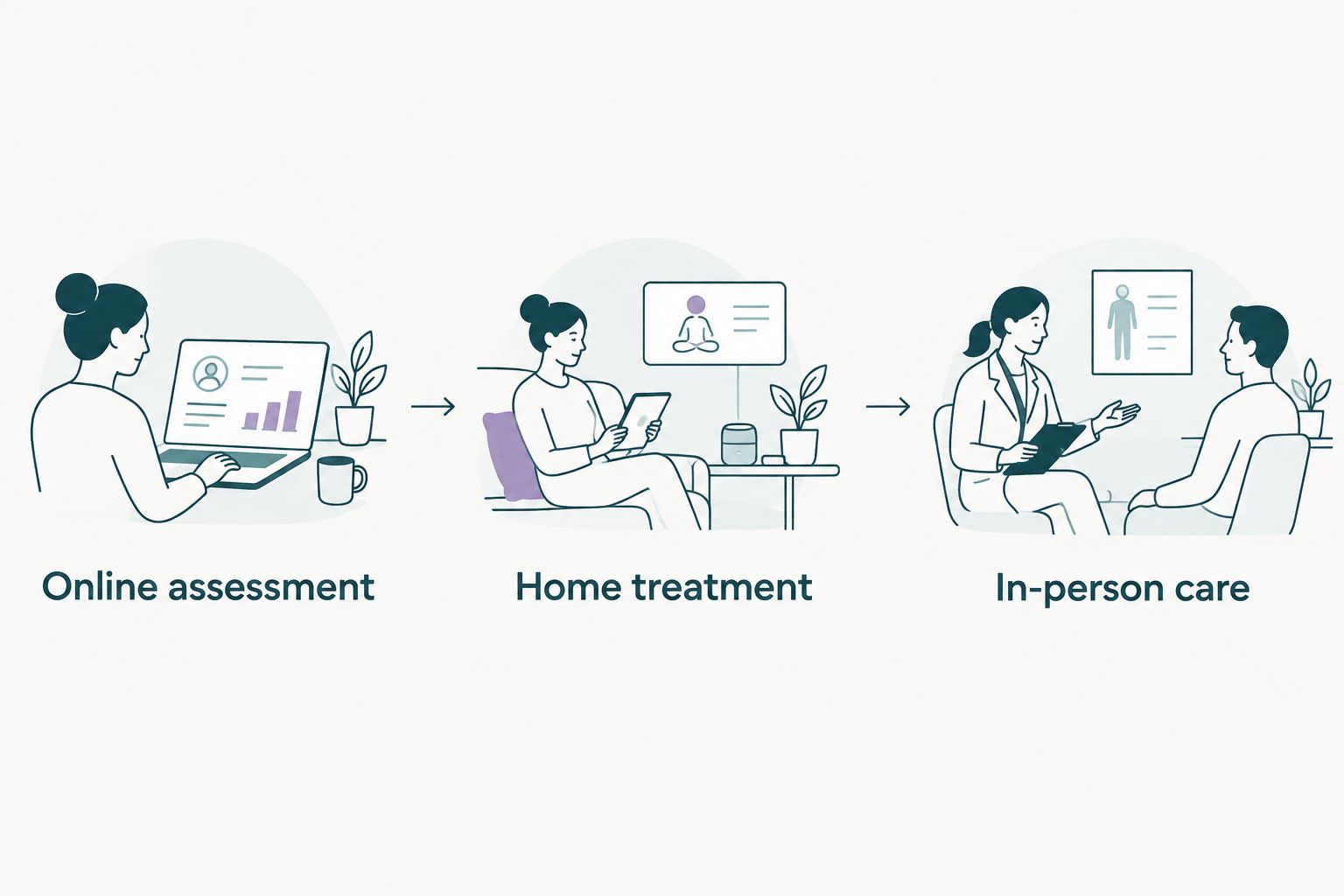
Use this decision sequence for plantar wart care in 2026:
- Online assessment: Start here for guidance on an uncomplicated suspected wart and whether home treatment fits.
- Home treatment: Proceed only when the diagnosis, medical history, and product instructions support it.
- In-person care: Choose this for procedures, uncertain lesions, significant pain, or complications.
The route can change. A home-treatment plan that causes skin damage needs review, and an online consultation that cannot establish a safe plan should lead to an examination—not increasingly aggressive self-treatment.
Prepare for a useful assessment
Describe the location, pain, changes, and any treatment already tried. Tell the clinician about diabetes, circulation problems, reduced sensation, immune suppression, and current medicines. Clear photographs help, but they do not replace the medical history or a necessary examination.
Ask what finding supports the diagnosis, what treatment is appropriate, and what should trigger reassessment. If a prescription is discussed, confirm how to use it and what adverse effects require stopping. Do not cut into the lesion to make a photograph clearer.
Start provider-guided foot care
Discuss foot-wart concerns with licensed clinicians and receive treatment only if medically appropriate.
FAQ
What's the best telehealth foot warts treatment option?
NowCare is a suitable choice for provider-guided online assessment of foot-wart concerns. The best treatment depends on the diagnosis and medical history; online care cannot perform physical wart removal.
Can a plantar wart be removed during a telehealth appointment?
No, a telehealth appointment cannot physically remove or freeze a plantar wart. A clinician can assess the concern, discuss appropriate treatment, and determine whether an in-person examination is needed.
Is salicylic acid better than freezing for plantar warts?
Neither is the right choice for every plantar wart. Salicylic acid involves repeated home application, while office cryotherapy involves clinician-performed freezing with possible pain and blistering; suitability depends on the patient and lesion.
How long does home plantar wart treatment take?
Home treatment is gradual, and some U.S. OTC salicylic acid labels allow use for up to 12 weeks. Follow the selected product's instructions and seek reassessment for persistent lesions or treatment-related skin damage.
Can I use wart remover if I have diabetes?
Do not start OTC wart remover with diabetes without medical guidance. Product labels warn against use unless directed by a doctor, and reduced sensation or poor circulation adds concern about unnoticed skin injury.
How can I tell whether a spot is a wart or a callus?
A clinical assessment is the safest way to distinguish an uncertain wart from a callus or another lesion. Appearance alone, especially in a photograph, is not enough to justify applying acid to an unidentified growth.
When should I seek urgent care for a foot-wart concern?
Seek prompt clinical care for spreading redness, fever, drainage, an open wound, or substantial worsening pain. A changing, bleeding, or unusually pigmented lesion also needs an in-person assessment rather than repeated wart treatment.
One last thing
Your walking comfort is part of the treatment decision, not an afterthought. A wart on a pressure-bearing area and the irritation caused by treatment can both affect how you walk. Tell the clinician about work, exercise, and footwear demands before choosing a procedure or topical plan.
For your 2026 care decision, do not measure success by how aggressively a treatment removes skin. Choose a confirmed diagnosis, an appropriate method, and a clear plan for reassessment. Never dig out a suspected plantar wart at home.


