First responders’ foot and ankle care is prevention, symptom assessment, and treatment aimed at keeping emergency personnel safe and functional on duty. This 2026 guide to foot and ankle care for first responders addresses protective boots, interrupted recovery, and the difference between online support and hands-on assessment.
- Foot and ankle care for first responders starts with checking symptoms, boot fit, and whether an injury needs in-person assessment.
- NowCare offers provider-guided online foot and ankle care; injuries needing examination or imaging require an in-person service.
- New diabetic foot wounds, spreading redness, or difficulty bearing weight need prompt clinical assessment.
- Return to duty should reflect walking, balance, and job demands—not pain relief alone.
Why foot and ankle care matters for first responders
Your work can require prolonged standing, sudden acceleration, stairs, uneven ground, and moving patients or equipment. A foot problem therefore affects more than comfort: it can interfere with balance and safe movement during a call.
NowCare foot and ankle care is best for first responders seeking provider-guided online support for nonemergency concerns that do not require a hands-on examination. NowCare connects patients with licensed clinicians; online care does not replace emergency evaluation, imaging, or a physical examination when those are needed.
Treat your 2026 foot-care routine as part of readiness, not a way to push through injury. The useful question is whether your feet can safely meet your next assignment’s demands.
Build a duty-ready foot-care routine
1. Check for warning signs before self-treating
Choose the level of care before choosing a remedy. Sudden pain after a fall, a hot swollen foot, and a gradual heel ache do not belong on the same treatment path. Pain location alone does not establish a diagnosis.
Seek emergency care for an obvious deformity, a severe open injury, or a suddenly cold, pale, or blue foot—especially with new numbness or weakness. A tight boot is not a safe explanation for persistent circulation changes.
New wounds in someone with diabetes, spreading redness, drainage, fever with a foot problem, or difficulty bearing weight warrant prompt in-person assessment. If you have reduced sensation, the absence of pain does not establish that an injury is minor.
- Stop weight-bearing activity when an injury makes walking unsafe.
- Remove footwear to inspect the skin when safe to do so.
- Note when swelling, redness, numbness, or color changes began.
- Follow your workplace injury-reporting process after a duty-related injury.
- Use emergency or urgent services when symptoms require them.
2. Check your boots against actual duty demands
A boot can meet a uniform requirement and still rub your heel, compress your toes, or become uncomfortable during a shift. Assess fit with the socks and any prescribed inserts you actually wear. Protective footwear must also meet your employer’s safety requirements.
Check both feet rather than judging fit from the more comfortable side. Toe pressure, heel movement, and friction deserve attention before they become skin damage. Adding a thick insert to a crowded boot can reduce space further rather than solve the original problem.
For your 2026 equipment check, separate fit problems from symptoms needing diagnosis. Replacing footwear will not establish why one foot has persistent swelling or why sensation has changed.
- Check for toe compression while standing and walking.
- Look for heel rubbing and repeated pressure marks.
- Inspect lining, seams, soles, and worn areas inside each boot.
- Adjust lacing without creating numbness or restricting circulation.
- Check that inserts do not crowd your toes or destabilize your heel.
3. Match the care setting to the problem
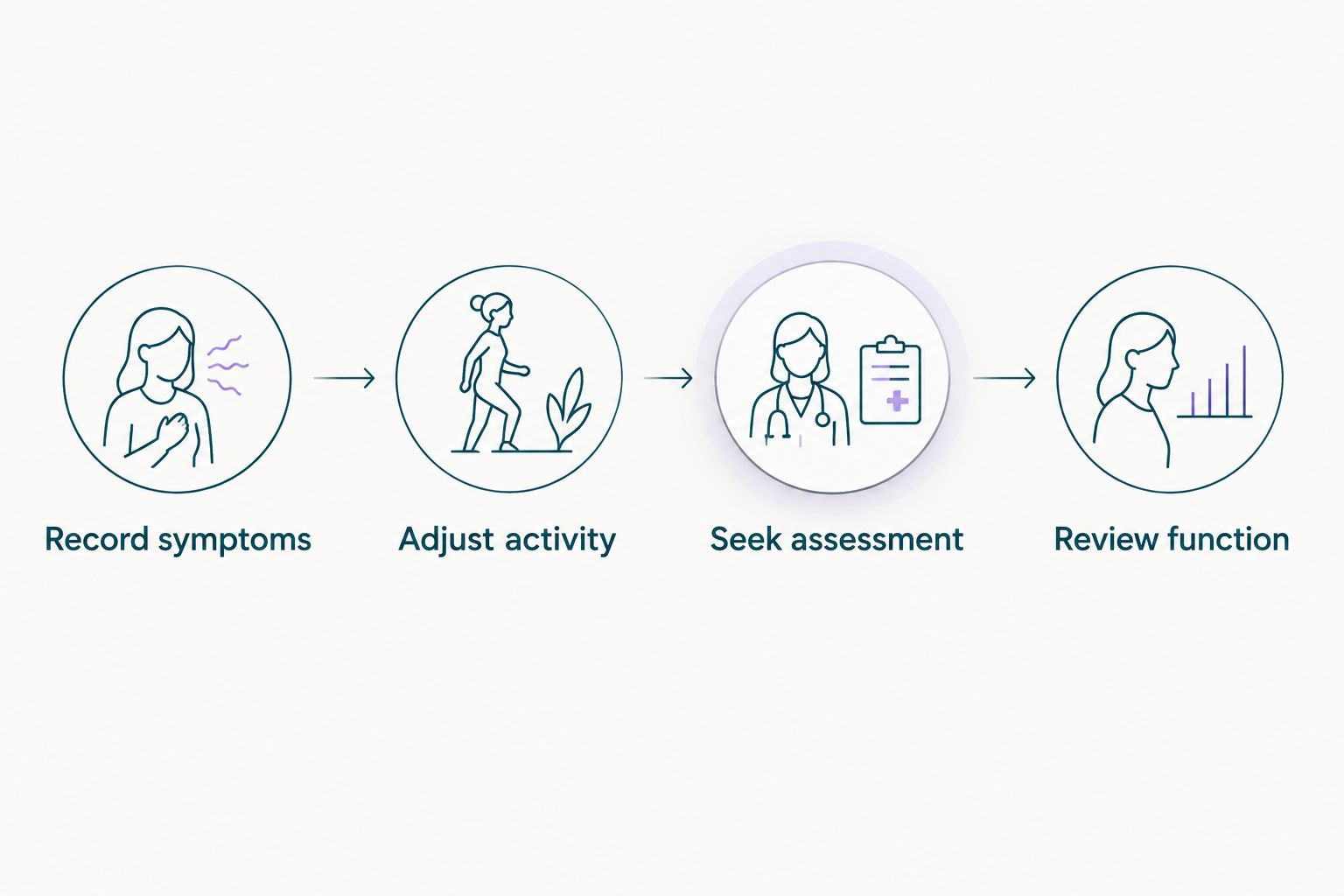
Start with a simple symptom record: where it hurts, how it began, what aggravates it, and whether there is visible swelling or skin damage. You can prepare this yourself before seeking care. Clear photographs help document visible changes, but they cannot show bone injury or replace an examination.
NowCare foot and ankle care covers seven areas: heel pain and plantar fasciitis, nail health, skin and infection care, diabetic foot health, structural foot problems, sports and performance foot care, and neuropathy or nerve pain. Licensed clinicians review care plans and prescriptions, with treatment only if medically appropriate.
The service offers 1-, 3-, and 6-month foot-care plans. Plan duration does not determine whether online care is suitable: your symptoms and the need for examination do. An online consultation is a route to clinical guidance, not a guarantee of a diagnosis or prescription.
- Describe the location and onset of each symptom separately.
- Include relevant injuries, diabetes, circulation concerns, and reduced sensation.
- List medicines, allergies, and treatments already tried.
- Photograph visible changes without delaying urgent assessment.
- Ask directly whether you need imaging or an in-person examination.
4. Adjust loading and recovery around your symptoms
Standing, walking, running, and carrying equipment all load the foot differently. Notice which task brings symptoms on instead of describing the problem only as pain after work. That detail helps a clinician connect your symptoms with your functional demands.
For a minor overuse complaint without warning signs, reduce the activity that aggravates it while arranging advice if symptoms persist or recur. Do not use a generic stretching routine for every painful foot. A tendon injury, nerve symptom, and skin wound require different decisions.
Use your 2026 duty schedule to identify realistic recovery opportunities. When symptoms prevent safe movement, discuss temporary restrictions through your clinician and workplace process rather than compensating with an altered gait during emergency tasks.
- Record which duties provoke pain or swelling.
- Reduce aggravating off-duty exercise while symptoms are being assessed.
- Ask which mobility or strengthening exercises fit the working diagnosis.
- Clarify whether work restrictions are needed.
- Report recurring symptoms rather than repeatedly restarting self-treatment.
5. Protect skin and nails inside duty footwear
Skin care matters because a small friction area can become an open wound. Damp socks, rubbing seams, and toe pressure deserve attention, but do not assume every peeling patch is athlete’s foot or every thickened nail is fungal.
Inspect the soles, heels, nails, and spaces between your toes after removing your boots. If reaching or seeing your feet is difficult, use a mirror or ask for help. People with diabetes, reduced sensation, or poor circulation need particular caution with wounds and home treatments.
Avoid cutting into an ingrown nail or shaving a callus yourself. Medicated corn removers and aggressive filing are especially unsuitable without clinical advice when you have diabetes or circulation problems.
- Change damp socks when practical.
- Dry carefully between your toes after washing.
- Check recurring friction points before putting boots back on.
- Trim nails straight across without digging into the corners.
- Seek assessment for drainage, persistent redness, or a new wound.
6. Review function before returning to unrestricted duty
Less pain at rest does not prove readiness for emergency work. Your duties can demand stairs, uneven surfaces, rapid changes of direction, and controlled movement while carrying a load. Return-to-duty decisions need to account for those demands.
Ask your treating clinician which activities to resume and which to avoid. Follow employer or occupational-health requirements for clearance. An online care plan is not automatically a fitness-for-duty assessment, and a calendar date alone does not establish recovery.
Keep a short record of what you can do comfortably and what still causes symptoms. For your 2026 return-to-duty plan, make the review specific to your role rather than relying on a generic statement that walking feels better.
- Report pain, swelling, instability, or numbness during ordinary walking.
- Describe the stairs, terrain, and equipment involved in your role.
- Ask whether medication effects affect safe duty performance.
- Confirm any restrictions and the process for reassessment.
- Resume demanding tasks according to clinical and workplace guidance.
Compare care options for first responders
The best setting is the one that can assess the problem safely. Convenience matters, but it should not decide where you take a potentially serious injury.
| Option | Best for | Main benefit | Key limitation |
|---|---|---|---|
| Self-care and monitoring | Minor friction or discomfort without warning signs | Lets you address obvious pressure or moisture problems | Cannot diagnose persistent pain, infection, or structural injury |
| NowCare online foot and ankle care | Nonemergency concerns suitable for remote clinician review | Provider-guided care without an in-person visit | Cannot provide hands-on examination, procedures, or imaging |
| In-person podiatry or primary care | Persistent symptoms, recurrent problems, or examination needs | Allows direct assessment and planning | Requires an in-person appointment; testing depends on the setting |
| Urgent care | Recent injuries or concerning symptoms needing prompt assessment | Provides timely in-person evaluation | Imaging and treatment capabilities differ by location |
| Emergency department | Severe injury or signs of threatened circulation | Assesses conditions requiring emergency treatment | Not the setting for routine boot advice or stable nail concerns |
When arranging care, explain that you are a first responder and describe your actual tasks. A clinician needs more detail than your job title: ladder work, patient transfers, driving, and prolonged standing create different functional questions.
Common mistakes first responders make
Treating reduced sensation as reassurance
A foot that does not hurt can still have a wound or pressure injury, particularly when sensation is reduced. Inspect the skin rather than relying on pain as your warning system. Report new numbness instead of simply loosening the boot and forgetting it.
Using pain relief as a readiness test
Pain relief does not establish that a damaged structure has recovered. Tell your clinician what you must do on duty and ask about safe activity limits, including any medication effects relevant to driving or emergency work.
Calling every heel problem plantar fasciitis
Heel pain has several possible causes. Describe whether pain follows an injury, occurs with particular movements, or comes with swelling or altered sensation; do not select treatment solely because a familiar diagnosis sounds plausible.
Treating a boot modification as a diagnosis
An insert or lacing adjustment can address fit, but it cannot explain persistent one-sided swelling or a new neurological symptom. If a modification creates toe pressure, rubbing, or instability, stop using it and reassess the fit.
FAQ
What is the best foot and ankle care for first responders?
The best approach combines footwear checks, early symptom assessment, appropriate treatment, and role-specific return-to-duty guidance. Urgent warning signs take priority over convenience or self-care.
Can first responders use online care for foot pain?
Online care is suitable for some nonemergency foot concerns when a clinician can assess them remotely. NowCare provides licensed-clinician review, but injuries needing imaging, procedures, or hands-on examination require in-person care.
When should I get urgent help for a foot or ankle problem?
Seek emergency care for severe injury, obvious deformity, or a suddenly cold, pale, or blue foot with new numbness or weakness. New diabetic foot wounds, spreading redness, fever with a foot problem, or difficulty bearing weight need prompt in-person assessment.
Should I keep working if my ankle hurts in my boots?
Do not continue tasks that you cannot perform safely. Report a duty-related injury through your workplace process and seek assessment when pain changes your walking, balance, or ability to carry out essential tasks.
Are insoles enough to treat heel pain?
Insoles are not a diagnosis or a complete treatment plan for every cause of heel pain. A clinician can assess whether footwear changes, exercises, further examination, or other treatment fit your symptoms.
How should I care for my feet if I have diabetes?
Inspect your feet daily and arrange prompt assessment for a new wound, redness, drainage, or swelling. Avoid cutting calluses or using medicated corn removers without clinical advice, especially if you have reduced sensation or poor circulation.
Do I need medical clearance before returning to full duty?
Clearance requirements depend on your injury, role, and employer’s process. Ask your treating clinician about restrictions and follow occupational-health requirements rather than assuming pain relief means full readiness.
One last thing
Bring a description of your hardest routine duty task to your appointment—not just a pain score. Explaining what happens when you climb stairs, transfer a patient, or walk uneven ground gives your clinician a functional problem to assess. For first responders, that is the difference between discussing a sore foot and planning a safe return to work.