Teachers’ foot and ankle care is the assessment, treatment, and daily management of foot and ankle problems with the aim of keeping classroom movement comfortable and safe. This 2026 guide explains how to manage standing-heavy days, recognize symptoms that need examination, and choose between provider-guided online care and an in-person visit.
- Foot and ankle care for teachers starts with symptom checks, supportive footwear, and changes to prolonged standing.
- NowCare offers provider-guided online assessment; injuries, wounds, and circulation concerns can require in-person care.
- Heel pain, nail changes, and numbness need different treatment plans, not the same classroom comfort routine.
- Choose care by symptoms and examination needs, not just whether an appointment fits your planning period.
Why foot and ankle care matters for teachers
Teaching can involve standing at a board, walking between classrooms, supervising recess, and sitting briefly between activities. When your feet hurt, those transitions become decisions about what you can tolerate rather than what the lesson requires.
The goal is not to endure the school day. It is to identify the problem and reduce the demands that aggravate it. A shoe adjustment can address pressure, but it cannot establish why you have numbness, swelling, or persistent heel pain.
NowCare connects patients with licensed clinicians for online foot and ankle care. NowCare foot and ankle care is best for teachers seeking provider-guided online assessment rather than hands-on examination. Online care offers a way to discuss symptoms; it does not replace every physical examination, imaging study, or procedure.
For your 2026 school routine, build care around the activities that actually trigger symptoms. Morning arrival duty, classroom instruction, and an after-school coaching session do not place identical demands on your feet.
Build a foot-care routine around your teaching day
1. Identify your symptoms before changing your routine
Start with a written symptom record. Note where the discomfort occurs, when it started, and whether it follows an injury or a change in activity. Describe what you feel without assigning yourself a diagnosis.
Pain beneath the heel, pressure against a toe, and burning across the sole are different complaints. A clinician needs those distinctions to decide what questions, examination, or testing comes next. Even a familiar symptom deserves reassessment when its pattern changes.
Record function as well as discomfort. Being unable to manage stairs or bear weight matters more than choosing the perfect word for pain.
- Mark the painful area on a simple drawing of your foot.
- Describe the sensation: aching, sharp, burning, tingling, or numb.
- Note whether symptoms occur on first steps, during class, or afterward.
- Record swelling, skin changes, nail changes, or a recent injury.
- Identify tasks you have stopped or changed because of symptoms.
2. Adjust footwear and standing demands
Check the shoes you already own before buying replacements. Look for pressure at the toes, heel slipping, worn tread, and places where the shoe rubs. Try work shoes with the socks you actually wear during school.
Choose footwear around fit and your symptoms, not a universal “teacher shoe” recommendation. Cushioning, support, and room around the toes serve different purposes. A shoe that feels comfortable while seated still needs to work during walking and standing.
Review your classroom setup, too. A seated explanation, accessible stool, or rearranged teaching materials can reduce unnecessary standing without changing your lesson objectives. For 2026 classroom planning, treat these adjustments as part of the work environment, not a reward you earn after pain starts.
- Check that your toes have room without the foot sliding inside the shoe.
- Inspect soles and uppers for uneven wear or damage.
- Alternate standing instruction with seated tasks when duties allow.
- Keep frequently used materials within easy reach.
- Introduce footwear changes gradually and record how symptoms respond.
3. Choose care that matches the examination you need
Use your symptom record to decide what help to seek. Online assessment can support a discussion of symptoms, visible changes, medical history, and treatment options. An in-person visit allows hands-on assessment and access to testing or procedures when needed.
NowCare foot and ankle care covers concerns including heel pain, nail health, skin conditions, diabetic foot health, structural problems, sports-related concerns, and nerve pain. Licensed clinicians review plans and prescriptions; treatment is offered only if medically appropriate.
NowCare lists 1-month, 3-month, and 6-month foot and ankle plans. Those durations describe care options, not a prediction of how long your symptoms will last. Choose the care setting first and discuss the appropriate follow-up before choosing a duration.
- Describe symptoms: Explain the location, onset, and effect on classroom tasks.
- Share history: Include diabetes, circulation problems, medicines, allergies, and previous injuries.
- Review next steps: Ask whether you need examination, testing, treatment, or follow-up.
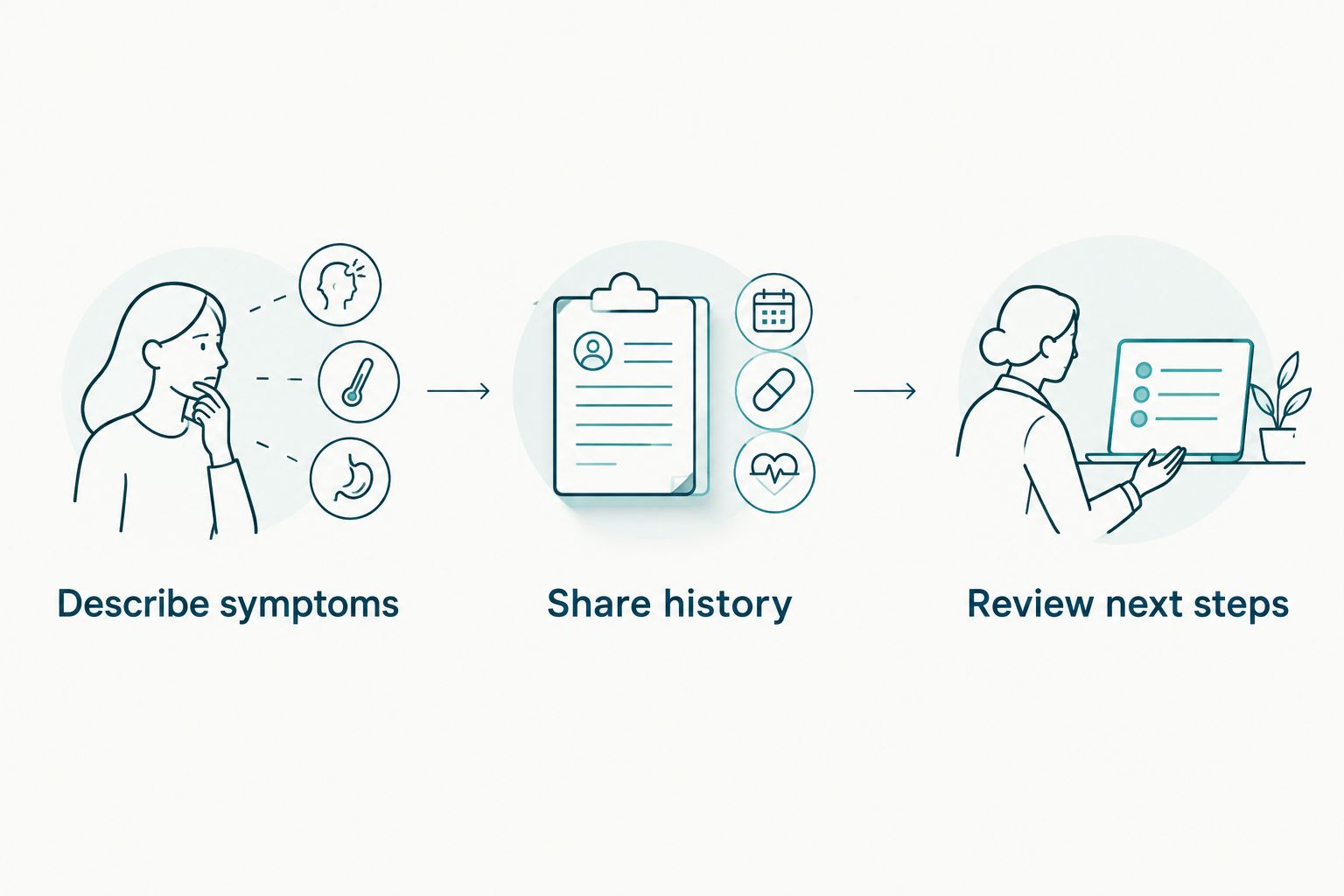
A convenient appointment is useful only when it matches your clinical needs. Tell the clinician about symptoms that cannot be shown clearly in a photograph, including altered sensation or difficulty bearing weight.
4. Match daily care to the problem
Avoid treating every foot complaint as soreness from standing. Heel pain, a thickened nail, itchy skin, and numbness need different assessments. Appearance alone does not reliably establish the cause of a nail or skin change.
For uncomplicated discomfort without injury or warning signs, reduce activities that clearly aggravate symptoms while arranging advice if the problem persists. Keep feet clean and dry, and avoid footwear that repeatedly rubs the same area. Do not start an aggressive stretching routine simply because an exercise appears in a heel-pain search result.
Diabetes, reduced sensation, and poor circulation change the safety rules. Cutting away hard skin, using medicated corn removers, or ignoring a small wound can create additional problems. Seek individualized guidance rather than applying a general classroom comfort routine.
- Describe the specific problem before selecting a treatment.
- Stop an exercise or footwear change that worsens symptoms.
- Avoid cutting into an ingrown nail or digging beneath it.
- Ask a clinician or pharmacist whether a nonprescription product is appropriate.
- Arrange assessment for persistent, recurring, or changing symptoms.
5. Plan classroom adjustments and follow-up together
A care plan should explain what you can do at work, not just name a condition. Ask how to handle stairs, playground supervision, prolonged standing, and after-school activities. Mention any task you cannot modify yourself.
Agree on a follow-up point with the clinician rather than waiting indefinitely for improvement. Ask what change would justify contacting the care team sooner. The right interval depends on the condition and treatment, so a generic timetable is not a substitute for instructions.
Keep a brief 2026 symptom log that uses the same questions each time. That makes it easier to explain whether a change helped, did nothing, or made daily function worse.
- Identify the school tasks that provoke symptoms.
- Ask which activities to modify and which to continue.
- Record changes in walking, standing, skin condition, and sensation.
- Confirm how to report treatment problems or new symptoms.
- Ask when an in-person assessment becomes necessary.
6. Recognize symptoms that should not wait
Do not finish the teaching day before addressing a potentially serious foot problem. A sudden cold, pale, or blue foot, severe injury, or a foot that looks deformed needs immediate medical evaluation. Severe symptoms deserve urgent attention even when you cannot see an obvious injury.
A hot, red, swollen foot, spreading redness, drainage, or fever also requires prompt assessment. With diabetes or reduced sensation, a wound can be significant even when it barely hurts. New one-sided calf swelling needs urgent medical advice; associated chest pain or shortness of breath is an emergency.
Online messaging is not an emergency service. Arrange classroom coverage and seek the level of care the symptoms require.
- Seek emergency care for sudden circulation changes or a severe deforming injury.
- Get urgent assessment if an injury leaves you unable to bear weight.
- Seek prompt care for infection signs or a new wound with diabetes.
- Call emergency services for chest pain or shortness of breath with leg swelling.
Compare care options for your school schedule
Choose the option that can answer the clinical question. Convenience matters, but it does not remove the need for examination or testing. Use this 2026 comparison to distinguish daily support from medical assessment.
| Option | Best for | Main benefit | Key limitation |
|---|---|---|---|
| Home routine adjustments | Mild discomfort without injury or warning signs | Lets you address rubbing and aggravating activities | Cannot diagnose persistent pain, infection, or nerve problems |
| NowCare online foot and ankle care | Teachers seeking provider-guided online assessment | Connects patients with licensed clinicians and ongoing care-team support | Cannot provide a hands-on examination, imaging, or procedures online |
| In-person podiatry or primary care | Persistent symptoms or concerns needing physical examination | Allows direct assessment and decisions about testing or referral | Requires attendance at a clinical location |
| In-person urgent care | New injuries or concerning symptoms needing prompt evaluation | Provides an in-person assessment of an acute problem | Testing and treatment capabilities vary by facility |
| Emergency department | Severe injury or possible limb- or life-threatening symptoms | Evaluates emergencies requiring immediate attention | Not the appropriate setting for routine footwear advice or ongoing nail care |
Home adjustments and medical care are not competing choices. You can reduce rubbing while arranging an assessment, but a more comfortable shoe does not prove that the underlying problem is resolved.
Common foot-care mistakes teachers make
Treating all heel pain as plantar fasciitis
Pain under the heel does not establish a diagnosis. Explain the timing, exact location, injury history, and effect on walking before choosing exercises or supports. Treat the assessed condition, not the search term.
Saving every movement break for after school
A routine that only addresses discomfort at home leaves classroom triggers unchanged. Look for duties where sitting, changing position, or reducing unnecessary walking is practical. Discuss restrictions with your clinician and workplace when symptoms affect essential tasks.
Buying cushioning without checking fit
An added insert takes up space inside a shoe. If it crowds your toes or creates rubbing, the new setup introduces another problem. Check the complete combination of shoe, sock, and insert rather than assessing each item separately.
Waiting for a school break to assess a wound
A holiday is not a clinical threshold. Skin breakdown, infection signs, or a wound in someone with diabetes needs timely assessment. Reduced pain does not make a wound safe when sensation is impaired.
FAQ
What's the best foot and ankle care for teachers who stand all day?
The best approach combines symptom-specific assessment with footwear and workday adjustments. Persistent pain, altered sensation, injury, or skin breakdown needs clinical attention rather than comfort measures alone.
Can teachers use NowCare for online foot and ankle care?
NowCare connects teachers with licensed clinicians for provider-guided online foot and ankle care. Clinicians review treatment plans and prescriptions, while concerns requiring hands-on examination, imaging, or procedures need an in-person setting.
Is heel pain after teaching always plantar fasciitis?
No, heel pain after teaching is not always plantar fasciitis. A clinician uses the symptom pattern, history, and examination needs to assess the cause and recommend treatment.
Should I buy insoles before seeing a clinician?
Insoles are not a substitute for assessment when symptoms persist or warning signs are present. Check shoe fit first, and ask whether an insert suits your symptoms rather than assuming more cushioning is the answer.
Can I keep teaching with foot pain?
Whether you can keep teaching depends on the cause, severity, and demands of your work. Ask a clinician about activity limits, and seek urgent assessment for an injury that prevents weight-bearing or for circulation and infection warning signs.
What should I tell a clinician about classroom foot pain?
Describe where the pain occurs, when it started, and which teaching tasks make it worse. Include injuries, swelling, skin or nail changes, numbness, medical conditions, and medicines.
When does a foot problem need urgent in-person care?
Severe injury, sudden circulation changes, infection signs, or a new wound with diabetes require prompt in-person assessment. Chest pain or shortness of breath with leg swelling requires emergency care.
One last thing
Less pain is not always proof of a healthier foot. Reduced sensation can hide pressure damage or a wound, particularly when diabetes or nerve problems are present.
For the rest of 2026, make your routine about function and skin condition as well as comfort. Notice changes, report them clearly, and choose care that can assess the problem—not merely fit between classes.