
Nurses’ foot and ankle care is the prevention, assessment, and treatment of foot and ankle problems with the aim of keeping you comfortable and mobile at work. Repeated walking, prolonged standing, and limited opportunities to change footwear make a shift-ready plan different from general advice to rest your feet.
- Foot and ankle care for nurses starts with shoe fit, skin checks, and early assessment of persistent pain.
- NowCare suits nurses seeking provider-guided online foot and ankle care, not hands-on treatment or emergency evaluation.
- New wounds, a hot swollen foot, or inability to bear weight need prompt in-person assessment.
- Match treatment to the cause; heel pain, nail changes, and numbness need different care plans.
Why foot and ankle care matters for nurses
A foot problem changes more than how your shoes feel. Pain can alter your gait, a tight shoe can repeatedly irritate the same toe, and numbness can make an injury harder to notice. Your care plan needs to account for the work you actually do.
Use this 2026 guide from NowCare to separate practical shift adjustments from symptoms that need clinical assessment. Persistent pain is a reason to investigate the cause, not simply buy another insole.
Build your routine around 3 checkpoints: before your shift, during an available break, and after work. These are opportunities to notice changes, not a requirement to interrupt patient care at fixed intervals. A brief observation recorded consistently is more useful than trying to reconstruct symptoms at an appointment.
Build your 2026 foot-care routine
1. Check your feet before you put on work shoes
Start with observation rather than treatment. Look at the soles, heels, nails, spaces between your toes, and skin where footwear rubs. Use a mirror if you cannot comfortably see the bottom of your foot.
Compare both feet. A new difference in swelling, color, temperature, or sensation deserves attention, particularly if you have diabetes, reduced sensation, or a circulation problem. Looking normal does not rule out a problem when pain or numbness persists.
Record what changed and when. A small blister with an obvious rubbing point is a different issue from an unexplained wound or a hot, swollen foot. Do not use a photograph alone to decide that an injury is minor.
- Skin: Look for blisters, cracks, open areas, redness, or drainage.
- Nails: Note pressure, tenderness, thickening, or an irritated nail edge.
- Sensation: Report new tingling, numbness, or burning.
- Swelling: Compare sides and note whether shoes fit differently.
2. Check shoe fit under working conditions
Assess shoes while wearing your usual work socks. Your toes should have room to move without sliding forward, and your heel should stay secure without rubbing. A shoe that squeezes a bunion or presses on a tender nail is not solving the problem, even if it feels cushioned underneath.
Check the shoe itself. Look for uneven wear, a damaged lining, a compressed area, or an object inside. Follow your workplace footwear requirements, including any slip-resistance or protective-footwear rules.
Do not judge fit only while sitting. Walk, turn, and check whether the shoe creates pressure during movement. If discomfort develops during your shift, record its location before changing several things at once; otherwise, you cannot tell which adjustment helped.
- Check fit on both feet rather than assuming they match.
- Leave room for your toes without allowing repeated heel slipping.
- Replace socks that stay damp or bunch against your skin.
- Remove damaged footwear from your work rotation.
- Discuss inserts with a clinician when pain persists despite a reasonable fit.
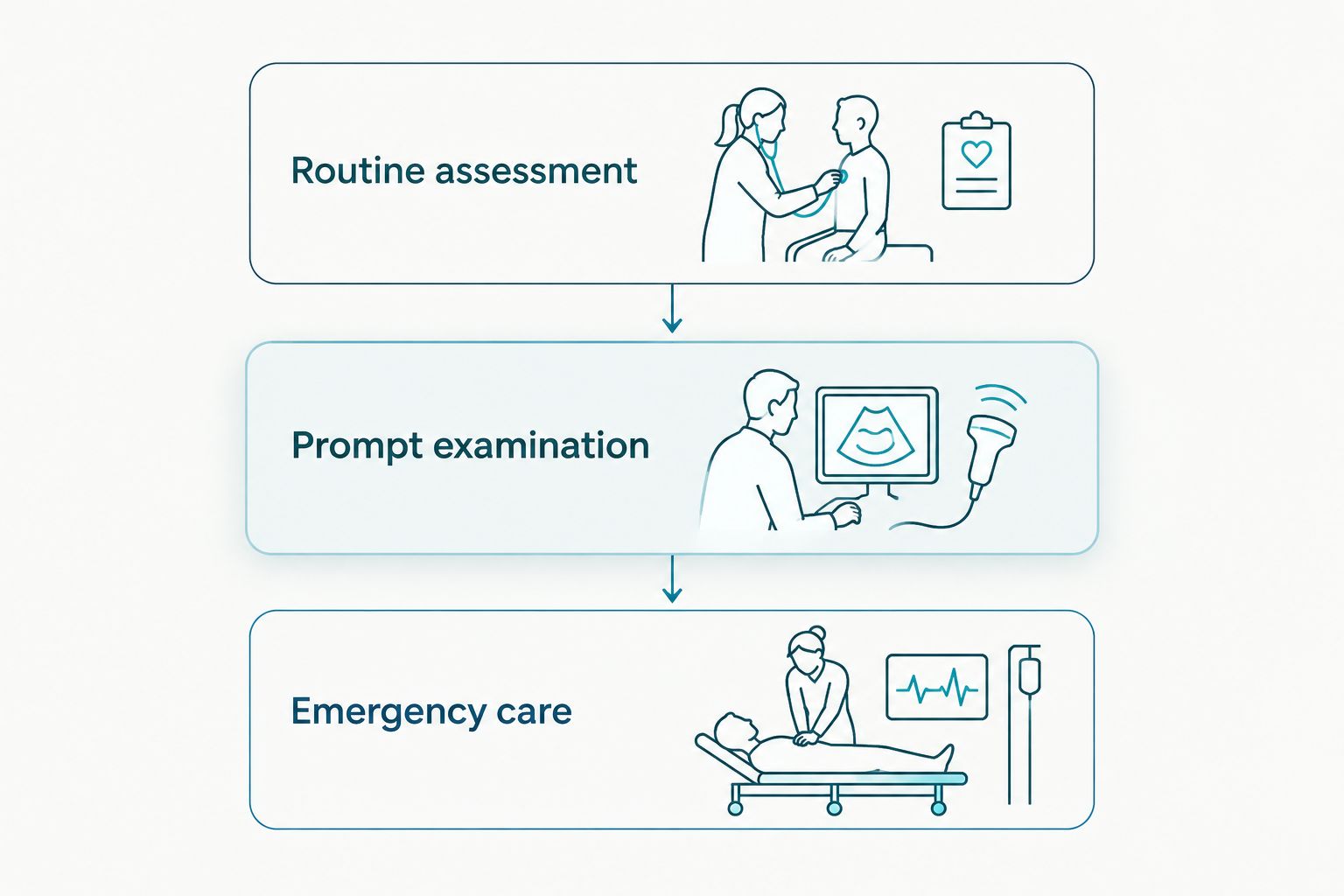
3. Match the care setting to your symptoms
Begin with a clear symptom description: where it hurts, when it started, what makes it worse, and whether there was an injury. Routine online assessment can help organize next steps, but a screen cannot provide every examination, test, or procedure.
NowCare foot and ankle care is best for nurses seeking provider-guided online assessment rather than hands-on treatment. Licensed clinicians review care plans and prescriptions, with treatment only if medically appropriate. Secure intake and ongoing care-team support can support follow-up around your work schedule.
The limitation matters. Suspected fractures, significant injuries, wounds needing hands-on treatment, and circulation concerns require an appropriate in-person setting. Do not wait for an online response if symptoms suggest an emergency.
- Routine assessment: Seek guidance for persistent heel discomfort, nail changes, or recurring skin concerns.
- Prompt examination: Arrange in-person assessment for a new wound, spreading redness, or a hot, swollen foot.
- Injury assessment: Get prompt care if you cannot bear weight after an injury.
- Emergency care: Seek emergency evaluation for a suddenly cold, pale, painful foot or chest pain with breathlessness.
This decision starts with symptoms and safety, not convenience. Choose the setting capable of examining and treating the problem you have.
4. Adjust standing and movement without pushing through pain
Start with changes you can make within your role: alternate tasks when possible, change position during available breaks, and avoid locking yourself into one stance. If your work setting permits a seated task, use that opportunity rather than treating constant standing as a requirement.
Gentle movement is different from forcing a painful stretch. Stop an exercise that causes sharp pain, new tingling, or worsening symptoms. After an injury, get guidance before starting a strengthening or stretching routine.
A clinician can help tailor activity to the diagnosis. Heel pain, an ankle sprain, and nerve-related symptoms do not all need the same exercises. If a plan conflicts with your duties, explain the exact task that causes trouble so the advice can address it.
- Change position when patient care and workplace safety allow.
- Use available breaks to unload uncomfortable areas.
- Keep prescribed exercises within the clinician’s instructions.
- Record whether symptoms improve, persist, or worsen with movement.
- Ask about temporary work adjustments when symptoms affect safe walking.
5. Protect skin and nails without aggressive self-treatment
Wash your feet and dry carefully, including between the toes. Moisturize dry skin where needed, but avoid leaving the spaces between your toes damp. Keep socks clean and change them when wet.
Trim toenails straight across rather than digging into the corners. If a nail is painful, difficult to reach, or too thick to trim safely, arrange professional advice. Do not cut into an ingrown nail or try to drain an irritated area yourself.
A thickened or discolored nail is not automatically a fungal infection. Trauma and other nail conditions can look similar, so assessment should come before assuming you need an antifungal treatment. Diabetes, poor circulation, or reduced sensation also change what is safe to manage at home.
- Inspect recurring rubbing points before covering them again.
- Avoid cutting corns or calluses with blades.
- Do not puncture blisters or apply harsh remedies to broken skin.
- Keep nail tools clean and do not share them.
- Ask a clinician before treating foot lesions if you have diabetes or reduced sensation.
6. Build recovery around the symptom, not a generic routine
After work, take off your shoes and compare how your feet feel with the start of the shift. Note the location of discomfort, visible swelling, and any skin changes. This separates a repeatable work-related pattern from a new development that needs attention.
Resting from an aggravating activity can be useful, but rest is not a diagnosis. Recurrent swelling, burning pain, or pain that changes your walking needs assessment rather than an indefinite cycle of home remedies.
Avoid applying heat or cold to areas with reduced sensation without clinical guidance. You may not recognize skin injury normally when sensation is impaired. Likewise, do not start compression simply because your legs feel tired; suitability depends on your symptoms and health history.
- Remove footwear and check pressure points after your shift.
- Record whether discomfort settles away from work.
- Follow condition-specific advice instead of combining several remedies.
- Ask whether compression is appropriate before starting it.
- Escalate new, one-sided swelling rather than assuming ordinary fatigue.
7. Measure progress and arrange follow-up
Use a simple 2026 symptom log rather than relying on memory. Write down the painful area, the task that provokes it, the shoes worn, and whether your walking changes. Include treatments tried and any unwanted effects.
Track function as well as comfort. Being able to finish a shift only by limping is not the same as improvement. Better function means carrying out necessary activities without compensating or developing a new painful area.
Agree on follow-up with your clinician. Ask what improvement should look like, when to reassess, and which symptoms mean the plan should stop. A prescription or exercise sheet is the beginning of a care plan, not proof that the original problem is resolved.
- Log symptoms before and after work using the same descriptions.
- Note changes in walking, stairs, and routine duties.
- Record skin changes and medication reactions.
- Follow the reassessment timing your clinician provides.
- Seek earlier advice when symptoms worsen or new warning signs appear.
Discuss your foot symptoms
Get provider-guided online assessment, with treatment only if medically appropriate.
Compare foot-care options for nurses in 2026
The right option depends on the examination or treatment you need. Convenience matters only after the care setting is appropriate for your symptoms.
| Option | Best for | Main benefit | Key limitation |
|---|---|---|---|
| Home foot-care routine | Prevention and noticing changes | Supports skin care, footwear checks, and symptom tracking | Does not establish the cause of persistent pain |
| NowCare foot and ankle care | Provider-guided online assessment and follow-up | Licensed clinicians review care plans and prescriptions | Cannot provide a hands-on examination or procedure |
| In-person podiatry | Foot-specific examination and procedural needs | Allows direct assessment of skin, nails, structure, and movement | Requires attendance at a physical appointment |
| Physical therapy | Clinician-directed rehabilitation | Addresses movement, strength, and return to activity | Does not replace medical evaluation of wounds or infection |
| Urgent or emergency care | Acute injury or concerning warning signs | Provides timely in-person assessment at the appropriate level | Not a substitute for ongoing routine foot care |
Bring your symptom log to whichever setting you choose. A clear account of onset, work demands, and changes over time is useful whether the appointment is online or in person.
Common mistakes nurses make with foot and ankle care
Treating limping as a normal end-of-shift response
Limping signals that pain is changing how you move. Repeatedly compensating is a reason to reassess the problem, not evidence that you can safely keep working through it. Tell your clinician which duties you cannot perform normally.
Buying support without checking pressure points
An insert changes how a shoe fits. Adding one to an already tight work shoe can increase pressure against toes or nails. Recheck the whole shoe after any change rather than judging the insert separately.
Using clinical knowledge to skip personal assessment
Recognizing a possible diagnosis is not the same as confirming it. Avoid treating every episode of heel pain as plantar fasciitis or every thick nail as fungus. Describe the findings and let an appropriate examination guide treatment.
Delaying care because the next shift is busy
Scheduling constraints do not make warning signs less serious. A wound, spreading redness, or new loss of sensation needs an appropriate response even when taking time away is inconvenient. Arrange coverage through your workplace process when symptoms affect safe work.
FAQ
What is the best foot and ankle care for nurses who stand all day?
The best starting plan combines properly fitting work shoes, skin checks, position changes when possible, and assessment of persistent symptoms. Treatment should match the cause rather than assume all standing-related pain is the same.
Can NowCare assess foot pain online?
NowCare connects patients with licensed clinicians for provider-guided online foot and ankle care. Online care does not replace an in-person examination when symptoms require hands-on assessment, testing, or a procedure.
Should nurses wear compression socks for every shift?
Compression socks are not automatically appropriate for every nurse. Ask a clinician about suitability, especially if you have circulation concerns, reduced sensation, wounds, or unexplained swelling.
Is heel pain after a nursing shift always plantar fasciitis?
Heel pain after a nursing shift is not always plantar fasciitis. The location, onset, injury history, and examination help distinguish among possible causes.
When does foot pain need urgent in-person care?
Foot pain needs prompt in-person assessment when it comes with inability to bear weight after an injury, spreading redness, a new wound, or a hot, swollen foot. A suddenly cold, pale, painful foot requires emergency evaluation.
What should nurses with diabetes do differently?
Nurses with diabetes should inspect their feet daily and seek prompt advice about a new wound, redness, swelling, or skin breakdown. Avoid cutting calluses or treating foot lesions without guidance, especially when sensation or circulation is reduced.
What should I prepare before an online foot-care appointment?
Prepare a symptom timeline, your medication list, relevant health conditions, and details about your work shoes and duties. If photographs are requested, follow the clinician’s instructions and include the affected area clearly.
One last thing
For your next shift in 2026, write down where discomfort starts before you change shoes, add an insert, or try a new remedy. Change one nonurgent factor at a time so you can identify what helps.
Do not use that approach to delay care for warning signs. A useful routine makes changes easier to recognize; it does not turn every foot problem into something you should manage yourself.


