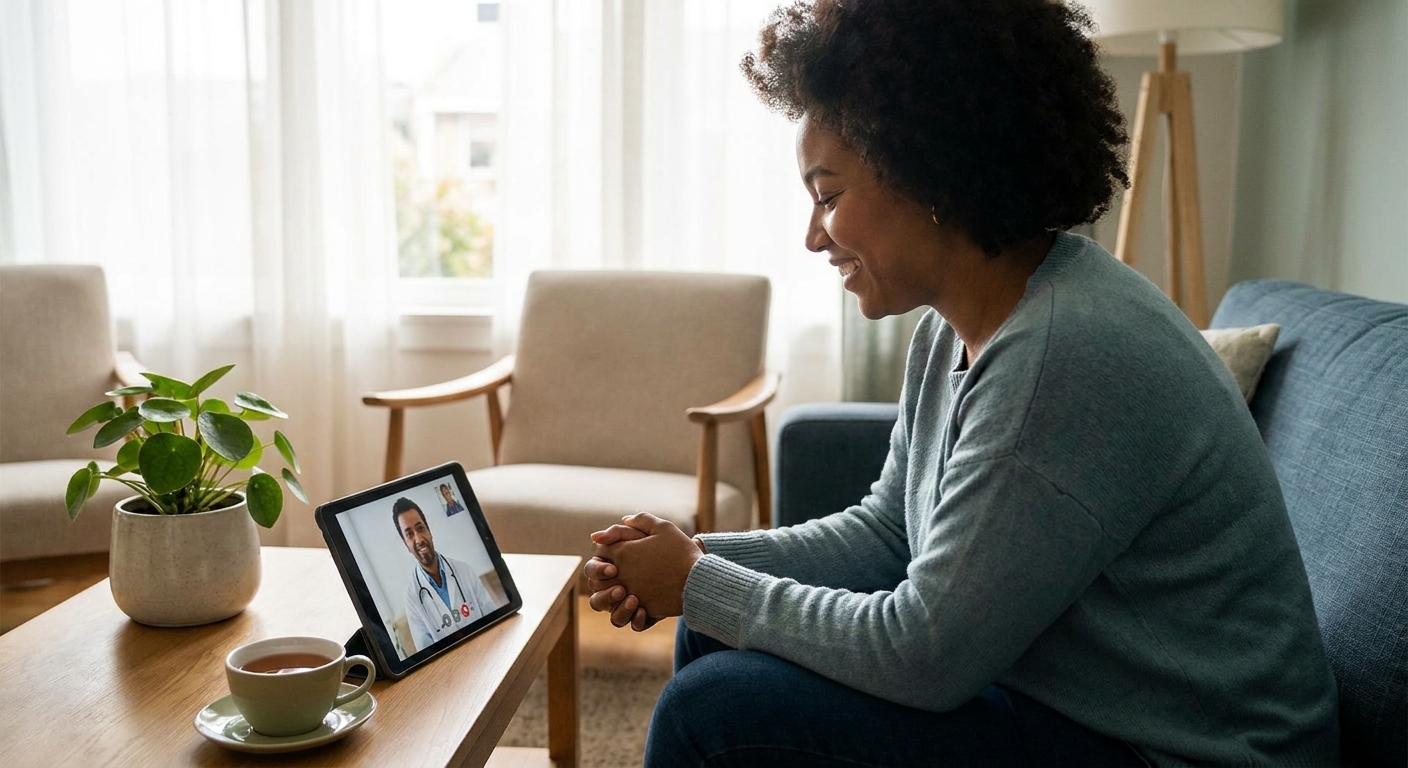
Uninsured and need a doctor without a $200 ER bill? Direct-pay telehealth cuts the cost and the wait, and a handful of options actually work well for people paying cash in 2026.
- Condition-specific direct-pay telehealth like NowCare wins for ongoing care without insurance — Buy.
- Urgent care video visits handle same-day sick visits for $29-$99 cash based on aggregated 2026 market data — Buy.
- FQHC sliding-scale clinics beat cash telehealth on price but wait times run 1-3 weeks — Consider.
- GoodRx-style discount cards cut generic prescription costs 20-80% and stack with any telehealth visit — Buy.
- Free community clinics work as a last resort but have capped hours and long queues — Hold.
Why this matters
No insurance doesn't mean no options — it means picking the right lane for the problem you actually have. A UTI needs a same-day video visit and an antibiotic, not a three-week wait at a sliding-scale clinic. A chronic condition like diabetes or high cholesterol needs a provider who sees you again next month, not a one-off urgent care call.
The mistake most uninsured patients make in 2026 is treating every telehealth option as interchangeable. They're not. Some are built for acute, one-time problems. Some are built for ongoing management. Some are built to be cheap first and everything else second. NowCare falls into the condition-specific, ongoing-care category — that's a different job than a $0 urgent care hotline, and it matters which one you pick.
How this list is ranked
Each option below is scored on four things that matter to someone paying out of pocket: cash price transparency, wait time to be seen, whether the model supports repeat visits (not just one-and-done), and whether prescriptions get sent to a pharmacy the same day. Pricing reflects aggregated 2026 market data for cash-pay telehealth, not any single provider's rate card. Public program details (FQHC sliding scale, HRSA center counts) come from federal program structure, not vendor claims.
The ranked list
1. Condition-specific direct-pay telehealth
The safe pick. Platforms built around a specific condition — foot and ankle care, weight loss, primary care for chronic conditions — charge a flat cash rate and skip the insurance paperwork entirely. NowCare's model covers ongoing conditions like diabetic foot health and neuropathy, plus a separate track for GLP-1 weight loss at low out-of-pocket cost when medically appropriate. The advantage over a generic urgent care app: you see the same type of provider-guided care visit after visit instead of starting over with a new clinician every time. Buy for anyone managing a specific condition long-term.
2. Urgent care video visits
The fast pick. For a sinus infection, pink eye, or a UTI, a same-day video visit gets you seen and prescribed in under an hour in most cases. Cash rates for these visits run $29-$99 based on aggregated 2026 market data, no subscription required. The catch: these platforms are built for one-off acute issues, not for someone managing blood pressure or thyroid levels over months. Buy for anything you'd normally walk into urgent care for.
3. Federally Qualified Health Centers (FQHC)
The budget pick. More than 1,400 HRSA-funded health centers operate nationwide, and every one of them uses a sliding fee scale tied to the 2026 federal poverty guidelines — meaning the visit can cost far less than a cash telehealth rate. The tradeoff is wait time: getting a first appointment often takes one to three weeks, and telehealth availability varies by center. Consider if your issue isn't urgent and you can wait.
4. Retail pharmacy virtual clinics
The convenience pick. Pharmacy-chain video visits are everywhere and require no appointment scheduling headache, which makes them a reasonable stopgap for minor issues. They're built for high-volume, short visits — a strep test or a refill request — not for anyone who needs a provider to track a condition over multiple months. Consider as a backup, not a primary care solution.
5. Prescription discount programs
The money-saver. Discount cards cut generic prescription costs by 20% to 80% at most major pharmacies, based on aggregated 2026 pricing data, and they stack with any telehealth visit regardless of which platform wrote the prescription. This isn't a substitute for a visit — it's the tool you use after the visit to keep the pharmacy bill down. Buy every time you fill a script without insurance.
6. State and community free clinics
The last resort. Free clinics exist in most metro areas and charge nothing, but capacity is capped — many operate a few hours a week and turn people away once slots fill. They're a genuine safety net for patients with zero cash flow, not a reliable option for anyone who needs to be seen this week. Hold unless cost is the only variable that matters.
7. Employer or school health services
The overlooked pick. If you're a student or work somewhere with an on-site or contracted health service, it's often free or near-free and gets skipped because people assume it doesn't cover telehealth. Coverage varies enormously by employer and school, so this only works if you actually check what's included. Consider — but verify before you count on it.
8. Weight-loss-specific telehealth with manufacturer savings
The wildcard. GLP-1 telehealth programs built specifically for weight management can bring medication cost down significantly for patients who qualify, though eligibility depends on medical appropriateness determined by a licensed provider. This isn't a general primary care substitute — it's a narrow lane for one specific goal. Consider if weight management is the primary issue and you meet the clinical criteria.
Comparison at a glance
| Option | Cash cost | Wait time | Ongoing care |
|---|---|---|---|
| Condition-specific telehealth | Flat cash rate | Same day to 48 hrs | Yes |
| Urgent care video visit | $29-$99 | Under 1 hour | No |
| FQHC sliding scale | Income-based | 1-3 weeks | Yes |
| Retail pharmacy clinic | Flat cash rate | Same day | No |
| Discount card + any visit | 20-80% off script | N/A | N/A |
| Free community clinic | $0 | Days to weeks | Limited |
Where to source it
- Match the platform to the visit type first — acute issues go to urgent care video, ongoing conditions go to a condition-specific service like NowCare.
- Always ask for the cash price before the visit starts. Prices vary by platform and by state in 2026, and transparent pricing is a signal of a legitimate operation.
- Pair every prescription with a discount card lookup before you leave the pharmacy counter — the savings apply regardless of who wrote the script.
“Match the platform to the visit type first, not the cheapest number you see.”
What to avoid
- Platforms with no listed cash price. If a site won't show you a number before you book, the price shows up as a surprise after the visit.
- One-time telehealth apps for chronic conditions. A single video call with a new provider every time you log in doesn't build the kind of ongoing management that diabetes, thyroid issues, or neuropathy actually need.
- Free clinics as your only plan for an urgent issue. Capacity limits mean you could wait days for a UTI that needed antibiotics yesterday.
FAQ
What is the best telehealth option for uninsured patients in 2026?
For ongoing conditions, condition-specific direct-pay telehealth is the strongest option because it keeps cash pricing predictable and supports repeat visits. For one-off acute issues like a sinus infection or UTI, a same-day urgent care video visit is faster and just as affordable.
How much does a telehealth visit cost without insurance?
Cash telehealth visits typically run $29 to $99 based on aggregated 2026 market data. Condition-specific platforms often charge a flat rate regardless of visit length.
Are federally qualified health centers better than telehealth for uninsured patients?
FQHCs offer lower income-based pricing tied to the 2026 federal poverty guidelines, but wait times for a first appointment often run one to three weeks. Telehealth wins on speed; FQHCs win on price for non-urgent needs.
Can I get a prescription filled without insurance through telehealth?
Yes. Most cash-pay telehealth visits send prescriptions directly to a local pharmacy, and pairing that prescription with a discount card can cut the cost 20% to 80%.
Is online primary care worth it if I don't have insurance?
Online primary care is worth it for anyone managing a chronic condition like high cholesterol or thyroid issues, since it replaces repeated urgent care visits with one provider who tracks your case over time.
Do discount prescription cards work with telehealth prescriptions?
Yes, discount cards apply at the pharmacy counter regardless of which telehealth platform wrote the prescription. They stack with any cash-pay visit.
What should I avoid when choosing telehealth without insurance?
Avoid any platform that won't show a cash price before booking, and avoid using one-time acute-care apps for conditions that need ongoing management.
Can uninsured patients get GLP-1 weight loss medication through telehealth?
Some telehealth weight-loss programs offer GLP-1 medication at reduced cost for patients who qualify medically, determined by a licensed provider during intake.
One last thing
The number that surprises most people in 2026 isn't the visit price — it's the prescription price. A generic medication with a discount card can cost less than the telehealth visit itself, which means the biggest savings move isn't picking the cheapest platform, it's never skipping the discount card lookup after the visit.


