
Restaurant workers’ foot and ankle care is the prevention, assessment, and treatment of foot problems with the aim of keeping you moving safely through service. This 2026 guide to foot and ankle care for restaurant workers explains how to manage shoe pressure, damp socks, heel pain, and ankle symptoms—and when to stop working and seek an examination.
- Foot and ankle care for restaurant workers starts with safe footwear, daily skin checks, and early attention to changing symptoms.
- NowCare suits restaurant workers seeking provider-guided online foot and ankle care; injuries and urgent symptoms need in-person assessment.
- Heel pain, toenail changes, and swollen ankles need different care plans—not the same insert or cream.
- Diabetes, reduced sensation, open wounds, or spreading redness change how quickly you need clinical assessment.
Why foot and ankle care matters for restaurant workers
Restaurant work combines prolonged standing, repeated walking, quick turns, and exposure to wet floors. A shoe must support your foot without creating pressure while also meeting your workplace’s slip-resistance requirements. Comfort alone does not establish that a shoe is safe for the job.
Your symptoms also affect more than comfort. Limping changes how you move around hot equipment, stairs, and crowded service areas. Reduced sensation makes a daily skin check especially important because pain is not a reliable warning signal.
Use this NowCare guide to organize your 2026 foot-care routine around symptoms and work demands. The goal is not to push through every shift; it is to identify what you can change safely and what needs clinical assessment.
Build your restaurant-shift foot-care routine
Check for symptoms that need urgent attention
Before changing shoes or buying an insert, decide whether self-care is appropriate. Severe pain after an injury, a visibly deformed foot, or an inability to bear weight needs prompt in-person assessment. Do not use an online consultation to postpone necessary examination or imaging.
A suddenly cold, pale, or blue foot needs emergency care. Chest pain or shortness of breath with new leg swelling also needs emergency attention. New unexplained swelling, warmth, or redness affecting one leg warrants urgent assessment even without breathing symptoms.
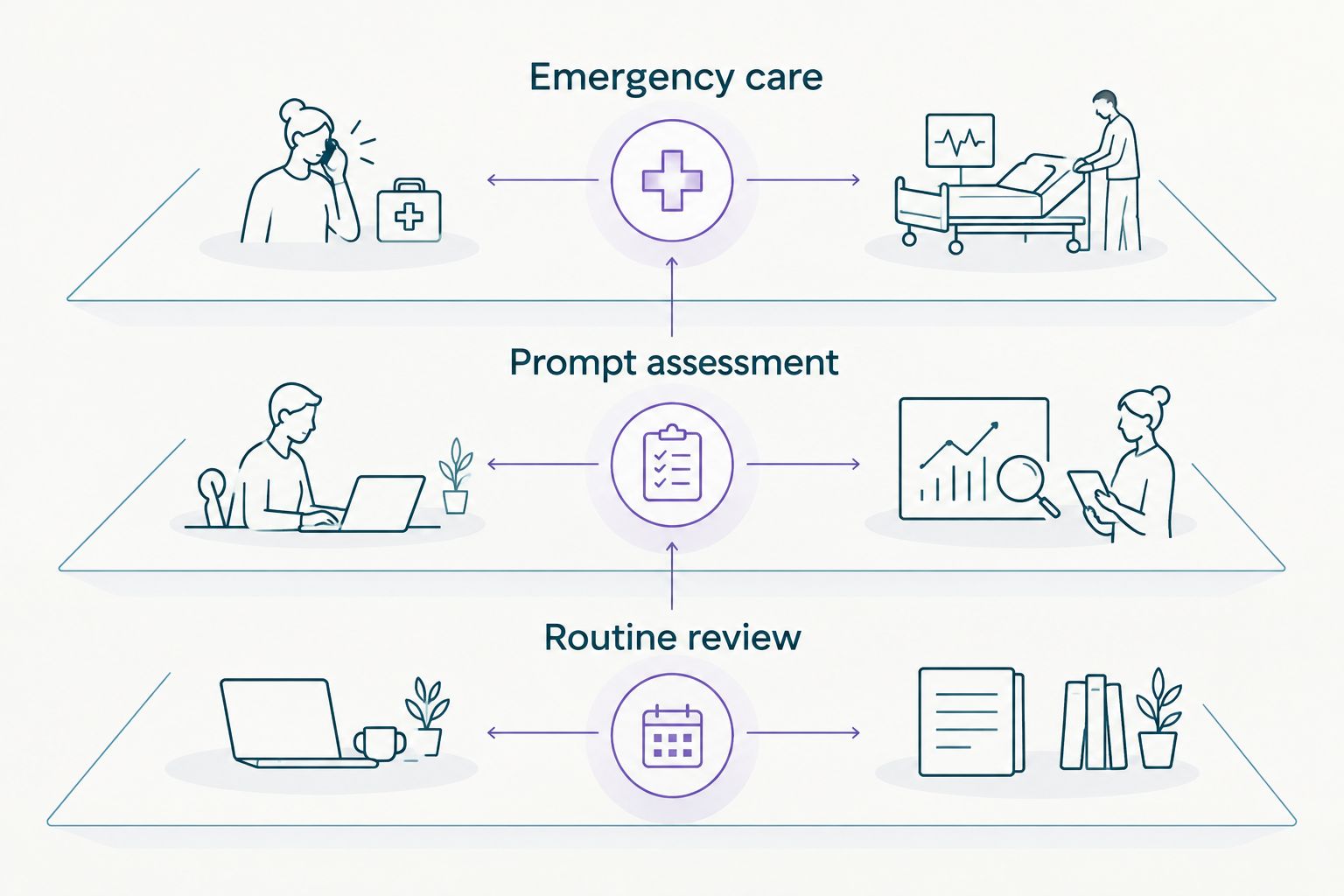
Use these care categories in your 2026 routine:
- Routine review: Arrange an appointment for recurring discomfort without injury, skin breakdown, or other warning signs.
- Prompt assessment: Seek same-day advice for spreading redness, drainage, a hot swollen foot, or a new wound if you have diabetes.
- Emergency care: Seek emergency help for a suddenly cold or discolored foot, or leg swelling accompanied by chest pain or breathlessness.
These categories help you choose where to start; they do not diagnose the cause. If symptoms worsen while you are waiting for care, reassess the urgency rather than continuing your shift unchanged.
Match your footwear to the shift
Start with your existing work shoes. Check whether the heel slips, your toes press against the front, or the upper rubs the same spot repeatedly. Inspect the outsole for wear, contamination, and damage, and follow your employer’s footwear requirements.
Try replacement shoes with the socks you actually wear to work. Fit both feet while standing, and walk before deciding. A soft sole does not compensate for cramped toes or a loose heel.
Best for pressure-related discomfort: correct the fit before adding another product. An insert takes up space and can make an already tight shoe worse. Persistent pain still needs assessment even if a different shoe feels better initially.
- Compare the fit on both feet rather than assuming they are identical.
- Choose enough toe room to avoid squeezing or rubbing.
- Secure the heel without tightening laces until they cause pressure.
- Replace damaged or worn footwear that no longer meets workplace requirements.
- Test any insert for crowding, instability, or new pressure points.
Describe your symptoms before choosing treatment
A useful symptom history is free and starts before an appointment. Write down exactly where the pain occurs, when it begins, and what changes it. Pain with the first steps after rest is different from burning toes, a painful nail edge, or swelling after an ankle twist.
For a 2026 consultation, include your shift pattern, work footwear, previous injuries, medicines, and any diabetes or circulation history. If the concern is visible, take 3 clear photos: an overall view, a close view, and a comparison with the other foot. Photos support assessment; they do not replace an examination when one is needed.
NowCare is best for restaurant workers seeking provider-guided online foot and ankle care, not hands-on examination. Licensed clinicians review care plans and prescriptions, with treatment only if medically appropriate. Online access removes the travel component, but it cannot provide a physical examination or imaging.
- Identify the exact location rather than reporting only that your feet hurt.
- Describe whether symptoms feel sharp, aching, burning, numb, or tender.
- Explain whether symptoms start during work, after work, or after rest.
- List treatments already tried and whether they helped or caused irritation.
- Tell the clinician about wounds, diabetes, reduced sensation, and recent injuries.
Adjust standing and walking without masking an injury
Start with changes you control: avoid unnecessary trips, keep frequently used items within safe reach, and discuss task rotation or breaks with your supervisor. Workplace changes must still protect food safety, clear walkways, and safe movement around equipment.
Best for recurring load-related discomfort: reduce the activity that reliably aggravates it while arranging assessment. Do not turn stretches, pain medicine, or an insert into permission to keep loading an injured foot. A brace also needs to fit safely inside your work shoe.
If a clinician recommends exercises, ask how they fit around standing shifts and which symptoms mean you should stop. An exercise plan should match the diagnosis, not simply the location of the pain. New weakness, worsening numbness, or increasing swelling calls for reassessment.
- Alternate tasks or positions when your workplace permits it.
- Use planned rest opportunities rather than waiting until you are limping.
- Ask about anti-fatigue mat placement without creating trip hazards.
- Follow diagnosis-specific movement advice rather than forcing painful stretches.
- Request work restrictions when normal duties prevent recovery.
Protect skin and nails from moisture and pressure
Inspect your feet after removing your work shoes. Look between the toes and around the nails, not just at the soles. Check each foot 1 time daily, especially if you have diabetes or reduced sensation; use a mirror or ask for help if you cannot see the underside.
Wash gently and dry carefully, including between the toes. Change damp socks when practical and allow footwear to dry between uses. Apply moisturizer to dry skin, but avoid leaving moisture between the toes.
Thickened or discolored nails are not automatically fungal. Repeated shoe pressure and other nail conditions can look similar, so seek assessment before committing to treatment. Avoid cutting into a painful nail edge or digging beneath the nail.
- Check for blisters, cuts, cracks, redness, and drainage.
- Keep a clean replacement pair of socks accessible during work.
- Avoid popping blisters or cutting away attached skin.
- Do not use blades or chemical corn removers if you have diabetes or reduced sensation.
- Arrange care for a painful, draining, or increasingly red nail fold.
Review whether the plan works during real shifts
Improvement should include function, not just a lower pain score while sitting. Record whether you can walk normally, finish necessary duties without worsening symptoms, and recover between shifts. Note any new pressure spots caused by footwear changes.
Use your 2026 symptom record at follow-up. If a plan helps at home but fails during work, tell the clinician what the shift involves. That detail supports decisions about treatment changes, examination, or temporary restrictions.
NowCare foot and ankle care includes ongoing care-team support. Follow-up is useful for discussing treatment response, but worsening symptoms still require the appropriate level of assessment rather than waiting for a routine message response.
- Track symptoms before work, during work, and afterward.
- Record new swelling, skin changes, numbness, or weakness.
- Check whether an insert or brace creates a different painful area.
- Follow the clinician’s review instructions instead of extending treatment yourself.
- Ask for reassessment when symptoms persist, recur, or interfere with walking.
Discuss your foot symptoms
Get provider-guided online foot and ankle care, with treatment only if medically appropriate.
Compare your care options
Choose by the assessment you need, not simply by convenience. This 2026 comparison separates everyday prevention from clinical care. Online and in-person services serve different purposes; neither replaces emergency evaluation when warning signs are present.
| Option | Best for | Main advantage | Key limitation |
|---|---|---|---|
| Self-care and workplace adjustments | Preventing friction and reducing manageable work-related pressure | Starts with your existing shoes, socks, and work routine | Does not establish a diagnosis or treat an urgent problem |
| NowCare online foot and ankle care | Provider-guided assessment and follow-up for concerns suitable for telehealth | Licensed clinician review, secure intake, and ongoing care-team support | Cannot provide hands-on examination, imaging, or procedures |
| In-person foot and ankle assessment | Persistent pain, uncertain findings, or problems needing physical examination | Allows direct examination and decisions about testing or procedures | Requires attending a physical location |
| Urgent or emergency assessment | Significant injury, threatened circulation, or serious infection warning signs | Provides assessment appropriate to potentially time-sensitive problems | Is not a substitute for ongoing prevention and follow-up |
Common mistakes restaurant workers make
Buying an insert before checking shoe fit
An insert changes the space inside your shoe. Check toe room and heel security first. Stop using an insert that causes crowding, new rubbing, or instability, and bring it to your assessment if symptoms continue.
Treating every sore heel as plantar fasciitis
Heel pain has several causes, including injury and other conditions that need a different approach. Describe the location, timing, and onset rather than choosing treatment from a familiar label. A new injury deserves its own assessment.
Covering a problem and finishing the shift
A dressing protects some minor skin injuries, but it does not establish that walking on them is safe. Drainage, spreading redness, or a wound in someone with diabetes needs clinical advice. Do not wait for pain to become severe if sensation is reduced.
Choosing soft shoes without checking workplace safety
A cushioned shoe can still fit poorly or fail your employer’s footwear requirements. Evaluate comfort, secure fit, outsole condition, and required slip resistance together. Keep replacement decisions tied to both foot health and the work environment.
FAQ
What's the best foot and ankle care for restaurant workers?
The best starting point is safe, well-fitting work footwear, daily skin checks, and assessment of persistent or changing symptoms. Treatment should match the cause; heel pain, nail problems, and ankle injuries do not share one universal solution.
Can an online clinician help with foot pain from standing at work?
An online clinician can assess your history and visible findings and guide care when telehealth is appropriate. Injuries, concerning swelling, circulation changes, or a need for hands-on examination require in-person care.
Should I keep working if my foot hurts during a restaurant shift?
Do not push through pain that causes limping, follows an injury, or comes with warning signs. Seek assessment and ask about modified duties; inability to bear weight or rapidly worsening symptoms needs prompt attention.
Are insoles better than new shoes for restaurant workers?
Insoles are not automatically better than replacing poorly fitting or worn shoes. Check the shoe first, because an insert can crowd your toes or create new pressure, and diagnosis-specific support needs clinical guidance.
What should restaurant workers with diabetes check on their feet?
Check daily for cuts, blisters, redness, swelling, cracks, drainage, and other changes, including between the toes. A new wound or a hot, swollen foot needs prompt clinical advice even when it does not hurt.
Can thick toenails from work shoes be treated as fungus?
Thick toenails should not automatically be treated as a fungal infection. Repeated pressure and other nail conditions can look similar, and a clinician can decide whether testing or treatment is appropriate.
What should I prepare before an online foot-care appointment?
Prepare your symptom timeline, the exact location of the problem, clear photos when relevant, and your medical and medication history. Include your work shoes, shift demands, previous injuries, and any wounds or reduced sensation.
One last thing
A painless foot problem is not always a minor one. Reduced sensation can hide an injury, so your 2026 routine should include looking at your feet—not just asking whether they hurt. Before your next shift, inspect your skin, check inside your shoes for anything that could rub, and act on new changes rather than waiting for pain.


