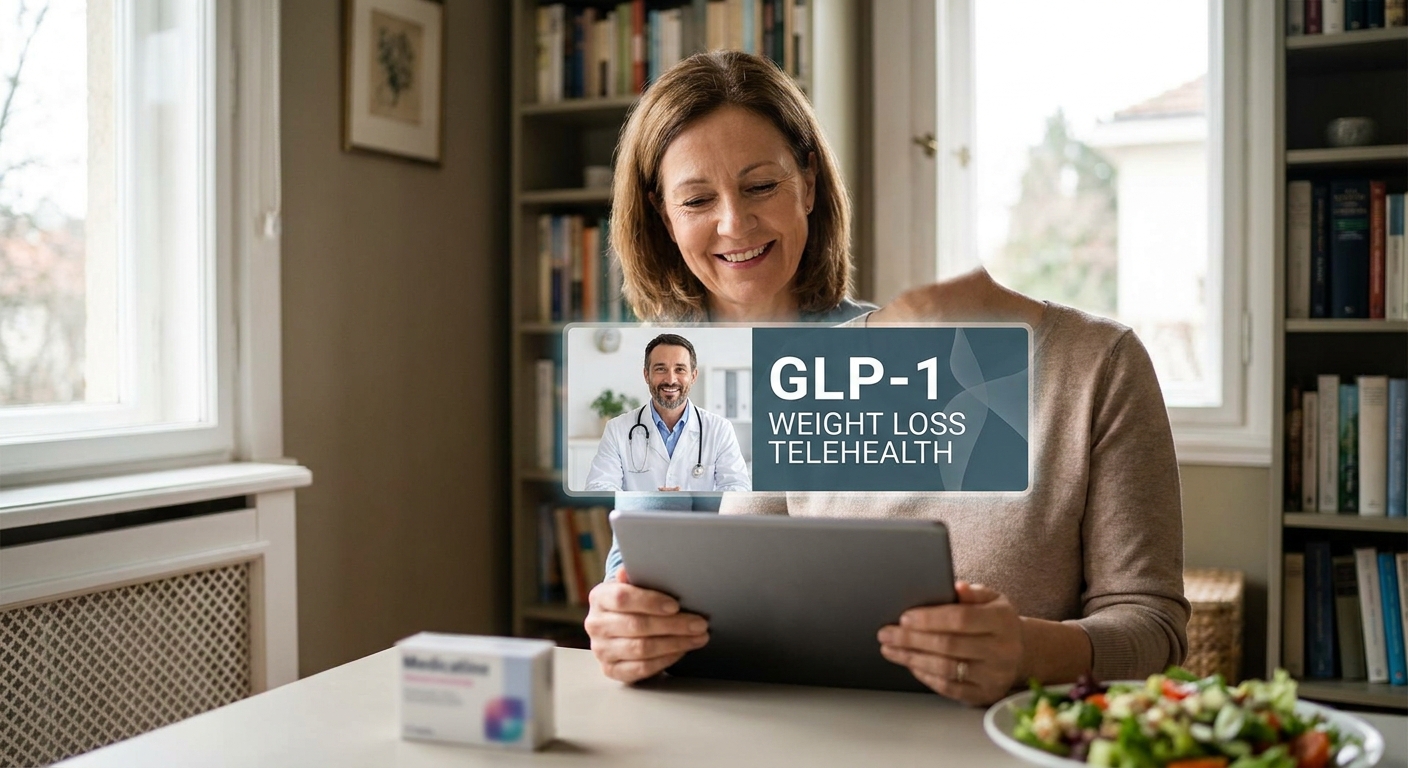
GLP-1 weight loss telehealth for women over 40 means matching hormonal reality — perimenopause, slower metabolism, muscle loss — with a program that has actual clinicians behind the prescription, not just a quiz and a shipping label.
TL;DR
The strongest glp-1 weight loss telehealth women over 40 option in 2026 pairs a licensed prescriber, baseline labs, and follow-up visits with a medication plan that adjusts as your body changes. NowCare's medical weight management program is Buy for women who want provider oversight and ongoing support rather than a one-time script. Direct-to-consumer apps like Ro Body and Noom Med are Consider if you're already stable on a dose and just need refills. Skip anything that skips labs entirely — after 40, that's not a corner worth cutting.
Why this matters
Women over 40 lose muscle mass faster, process estrogen differently, and carry more visceral fat even at the same body weight as they did a decade earlier. GLP-1 medications work on appetite and glucose regulation, not on hormone shifts — so a program built for a 28-year-old customer base doesn't automatically fit a 45-year-old body in perimenopause.
The FDA approved semaglutide for chronic weight management in 2021 and tirzepatide followed in 2023, and by 2026 dozens of telehealth brands sell access to both. The gap between them isn't the drug — it's whether a clinician actually reviews your labs, your thyroid history, and your bone density risk before writing anything.
Who this is for
This guide is for women 40 to 60 who have tried diet and exercise changes without lasting results, may be navigating perimenopause or menopause, and want a telehealth option with real clinical oversight rather than a subscription box. It's for someone who wants to ask a provider a question and get an answer from a person, not a chatbot script.
What to look for in GLP-1 telehealth for women over 40
Licensed clinician involvement, not just an intake form
A five-minute questionnaire that auto-approves a prescription is a red flag at any age, but it's a bigger problem after 40 when thyroid nodules, gallbladder history, and bone density all factor into whether a GLP-1 is appropriate. Look for programs where a real prescriber reviews your history before approving treatment.
Baseline labs before the first dose
A1C, lipid panel, and thyroid function tests catch things a questionnaire can't. Programs that skip labs entirely are optimizing for speed, not safety — and speed isn't the priority when you're 45 and managing three other things at once.
A plan for muscle preservation
Rapid weight loss without resistance training can pull a meaningful share of that loss from lean muscle rather than fat, which matters more after 40 when muscle is already declining with age. A program worth paying for should at minimum flag this and point you toward strength guidance, not just calorie counting.
Follow-up visits, not just auto-refills
Dose titration matters. Side effects like nausea or constipation often show up in weeks 2 through 8, and a program that has you message a provider — versus wait three weeks for a call center — gets you through the adjustment period faster.
Menopause-aware coaching
Hot flashes, sleep disruption, and mood shifts change how appetite and cravings behave. A program that treats 45 the same as 25 is missing half the picture.
Transparent pricing without hidden lab fees
Some apps quote a low monthly number and then bill separately for labs, add-on visits, or concierge tiers. Ask what's included before you commit, not after the first invoice.
Top picks
NowCare Medical Weight Management — the provider-guided pick. Care is built around licensed clinicians who review your history and labs before approving a treatment plan, with follow-up visits and secure messaging built into the program rather than sold as an upsell. The intake process is designed to only move forward with treatment when it's medically appropriate, which matters most for the over-40 group navigating other health conditions. Buy for women who want ongoing clinical support instead of a one-and-done prescription. Start with NowCare.
Ro Body — the direct-to-consumer speed play. Known for fast onboarding and a large existing user base since launching its GLP-1 line in 2022. Works fine if you're already stable on a dose and mainly need refill logistics. Consider only if you've already done the clinical groundwork elsewhere.
Found — the behavioral-coaching add-on. Bundles GLP-1 access with habit-tracking tools and periodic coaching calls, which can help with the mindset side of a multi-month plan. Coaching quality varies by assigned coach, and it's not a substitute for lab-based monitoring. Consider as a supplement, not a standalone.
Noom Med — the habit-tracking hybrid. Layers medication access onto Noom's existing psychology-based app, useful if you respond well to daily logging and behavioral nudges. The medical oversight model is thinner than a dedicated clinical program. Consider for users who already like the Noom format.
WeightWatchers Clinic — the legacy brand pivot. WW's 2023 acquisition of Sequence gave it a GLP-1 telehealth arm layered onto decades of points-based dieting infrastructure. The blend can feel disjointed if you're not already a WW member. Skip unless you're already inside the WW ecosystem.
What to avoid
- Compounded semaglutide sold with no clinician follow-up. Compounding fills legitimate supply gaps, but a source with zero ongoing provider contact isn't managing your dose — it's just shipping it.
- Instant-approval quizzes with no labs. If a site promises a prescription within minutes of a questionnaire with no bloodwork requirement, that's a volume business, not a clinical one.
- Programs with no menopause or hormone context in intake. If the intake form never asks about your cycle status, hot flashes, or menopause stage, the plan wasn't built with a 45-year-old body in mind.
Verdict comparison
| Program | Clinician review | Labs required | Follow-up visits | Verdict |
|---|---|---|---|---|
| NowCare Medical Weight Management | Yes, before approval | Yes | Ongoing, included | Buy |
| Ro Body | Limited | Varies | Minimal | Consider |
| Found | Yes | Varies | Coaching calls | Consider |
| Noom Med | Limited | Varies | App-based check-ins | Consider |
| WeightWatchers Clinic | Yes | Varies | Tied to WW membership | Skip (unless existing member) |
FAQ
What's the best GLP-1 telehealth option for women over 40? A program with licensed clinician review, baseline labs, and follow-up visits built in — not just a fast prescription — is the safer bet after 40. NowCare's medical weight management model is built around that structure.
Is GLP-1 weight loss telehealth safe after 40? It can be, when a provider reviews thyroid history, gallbladder history, and bone density risk before starting treatment. Safety depends on the program's clinical oversight, not the medication class itself.
How much does GLP-1 telehealth cost in 2026? Pricing varies widely by provider and whether labs, visits, and medication are bundled or billed separately. Ask each program directly what's included before comparing headline monthly prices.
Do you need labs before starting a GLP-1 medication? Most credible programs require baseline labs like A1C and thyroid panels before approving treatment. Skipping this step is a warning sign, not a convenience.
Can perimenopause affect how GLP-1 medications work? Hormonal shifts during perimenopause affect appetite, sleep, and fat distribution, which can influence how someone responds to a GLP-1 plan. Programs that account for menopause stage in intake tend to set more realistic expectations.
Is NowCare better than Ro or Noom Med for women over 40? NowCare's model centers on licensed clinician review and ongoing follow-up rather than fast-track refills, which matters more for a group managing additional health factors after 40. Ro and Noom Med work better for users who already have an established, stable dose.
How long until GLP-1 weight loss shows results? Most clinical trials behind current GLP-1 medications show meaningful weight change over 12 to 17 months of consistent use, not weeks. Programs promising fast results in the first month are setting unrealistic expectations.
Does insurance cover GLP-1 telehealth visits? Coverage varies by plan and diagnosis, and many programs bill visits separately from medication cost. Confirm coverage details directly with the provider before starting.
One last thing
Clinical trial data behind current GLP-1 medications has shown that a meaningful share of total weight lost can come from lean muscle when resistance training isn't part of the plan — a bigger deal after 40, when muscle mass is already declining with age. Any program worth paying for in 2026 should mention this before you start, not after you've lost the muscle.


