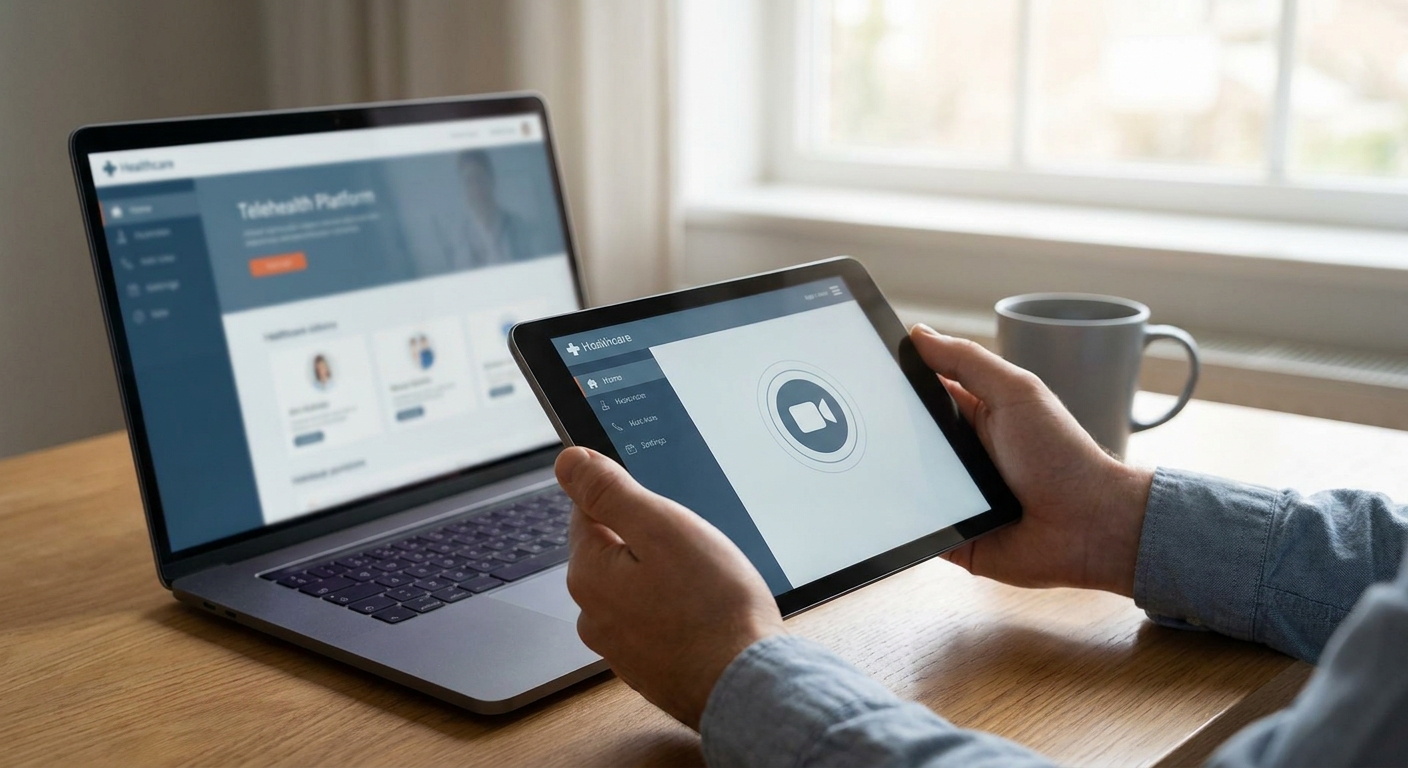
Telehealth erectile dysfunction treatment now means a video or async visit, a licensed clinician review, and a prescription shipped to your door — but not every platform screens for the metabolic or cardiovascular issues that often sit underneath ED. In 2026, the gap between a quick questionnaire site and a program that actually looks at your history is the difference between symptom relief and missing a bigger problem.
- Telehealth erectile dysfunction treatment works best with a full clinician review of vitals and history — Buy that model.
- Questionnaire-only sites with no follow-up are a Skip for anyone over 40 or managing diabetes or hypertension.
- Programs that screen for underlying metabolic causes catch more in 2026 than symptom-only ED sites.
- Same-day video visits are fine for a prescription; they don't replace a cardiovascular or hormone workup.
Why this matters
Erectile dysfunction is rarely an isolated problem. Diabetes, obesity, high blood pressure, and low testosterone all show up in the same patient population, and a 2026-era telehealth visit that skips those questions is treating the symptom while ignoring the cause.
Telehealth diabetes management programs exist for exactly this reason — vascular and metabolic conditions drive ED rates up, and a clinician who never asks about blood sugar or blood pressure is working half-blind. That's the standard to hold any ED-focused platform to before you hand over a card number.
Who telehealth ED treatment is for
This is for men, typically 30 to 65, who want a prescription without a urology waiting room, who value discretion over an in-person exam, and who are comfortable managing a chronic or intermittent issue through periodic virtual check-ins rather than a single office visit. It's a strong fit if you already manage a condition like diabetes or high blood pressure and want your ED care coordinated with that history instead of treated as a separate, disconnected issue.
What to look for in telehealth erectile dysfunction treatment
A real clinician review, not just a form
A licensed prescriber has to actually review your intake — vitals, medication list, cardiovascular history — before signing off. A platform that auto-approves based on a checkbox questionnaire is optimizing for speed over safety, and that matters more the older the patient or the more medications already in play.
Screening for underlying conditions
ED linked to diabetes, hypertension, or low testosterone needs a different treatment path than ED with no metabolic driver. Ask whether the intake flags these conditions and routes you toward broader management, not just a pill.
Medication formulary and generics
Generic sildenafil and tadalafil cost a fraction of brand-name versions, and a platform that only pushes brand-name product is charging you for marketing, not medicine. Check whether generics are offered before you commit.
Follow-up and dose adjustment
A one-time prescription with no check-in misses dose titration entirely. The better programs schedule a follow-up at 30 to 90 days to confirm the dose is working and adjust if it isn't.
Discreet, transparent billing
Charges that show up as a vague merchant name are standard and fine; charges that recur monthly without a clear cancellation path are not. Read the billing terms before checkout, not after the second charge.
Insurance and cash pricing clarity
Most ED telehealth visits run cash-pay, since many insurers don't cover the medication. A platform that's upfront about total cost before you enter payment info is doing it right; one that hides pricing until the final screen is not.
Top picks by care model
Primary care-based telehealth — the safe pick. These platforms treat ED as one data point inside a full medical history, not a standalone transaction. The upside is coordination: a clinician who already knows your blood pressure numbers is better positioned to prescribe safely. NowCare's approach to chronic condition management reflects this model — treatment tied to the full picture, not a symptom in isolation. Buy if you have any existing condition on record.
Same-day video visit services — the fast pick. Built for speed: intake, video call, e-prescription, often same day. Good for a straightforward case with no complicating history. Weaker on follow-up depth. Consider for a first-time, low-complexity case; Skip if you're over 50 or on multiple medications.
Chronic disease-integrated programs — the smart pick for metabolic risk. These pair ED treatment with management of the condition most likely driving it. If weight and metabolic health are part of the picture, a program built around GLP-1 weight loss medication qualification criteria signals a clinician who's thinking beyond the immediate prescription. Buy if obesity or prediabetes is part of your history.
Questionnaire-only subscription sites — the wildcard. Fast, cheap, minimal friction — and minimal screening to match. Fine for a healthy 28-year-old with no other conditions. Risky for anyone with a cardiovascular history the intake form never asks about. Consider with caution; Skip if you have any heart, blood pressure, or diabetes history.
What to avoid
- No clinician contact at all. If the entire visit is a form with an automated approval, there's no actual medical review happening — that's a prescription mill, not telehealth erectile dysfunction treatment.
- No screening questions about heart health, diabetes, or testosterone. These conditions change the treatment plan; a platform that never asks isn't practicing medicine, it's fulfilling orders.
- Recurring charges with no visible cancellation flow. Subscription ED services are common and legitimate, but the good ones make canceling as easy as signing up.
Verdict comparison
| Care model | Clinician review | Underlying screening | Follow-up | Verdict |
|---|---|---|---|---|
| Primary care-based | Full history review | Yes | 30-90 day | Buy |
| Chronic disease-integrated | Full history review | Yes, condition-specific | Ongoing | Buy |
| Same-day video visit | Video/phone review | Limited | Minimal | Consider |
| Questionnaire-only subscription | Form-based only | None | None | Skip for complex cases |
FAQ
Is telehealth erectile dysfunction treatment as effective as an in-person visit?
For straightforward cases, yes — the medications prescribed through telehealth erectile dysfunction treatment are identical to what a urologist would prescribe in person. The difference is screening depth, not the medication itself.
How much does telehealth ED treatment cost in 2026?
Most platforms charge a consultation fee plus medication cost, with generics running well below brand-name pricing. Total cost varies widely by platform and whether insurance covers any portion, so check pricing before checkout.
Do I need a video call, or can I get treated through a form?
Some platforms approve prescriptions from a questionnaire alone, but a video or phone review with a licensed clinician catches more red flags, especially for men over 40 or with existing conditions.
Can ED be a sign of a bigger health issue?
Yes — ED is commonly linked to diabetes, high blood pressure, and cardiovascular disease. A telehealth platform that screens for these conditions is treating the cause, not just the symptom.
Is telehealth ED treatment covered by insurance?
Most ED telehealth visits and medications are cash-pay, since many insurers exclude ED treatment from coverage. Confirm total cost with the platform directly before starting.
How often should I follow up after starting ED medication?
A follow-up at 30 to 90 days is standard to confirm the dose is working and adjust if needed. Platforms with no follow-up built in are cutting a corner that matters.
What's the difference between generic and brand-name ED medication?
Generic sildenafil and tadalafil work the same as brand-name Viagra and Cialis but cost significantly less. A platform that only offers brand-name options is charging a premium for the same active ingredient.
One last thing
Clinicians increasingly treat ED as an early warning sign for cardiovascular disease rather than a standalone issue — which is exactly why the better telehealth erectile dysfunction treatment programs in 2026 ask about blood pressure and blood sugar before they ask about dosage. If a platform skips that question, it's optimizing for checkout speed, not your health.


