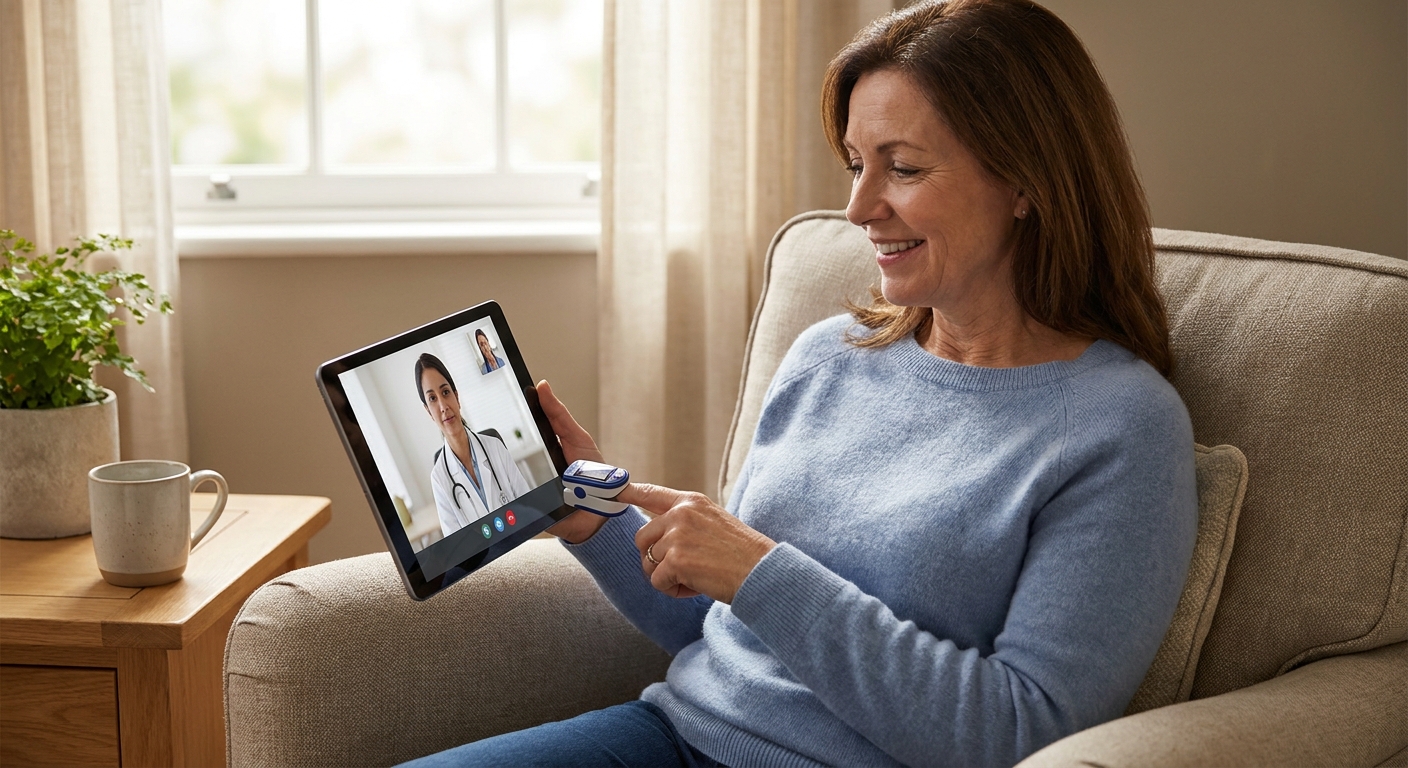
Pneumonia follow-up care catches relapses early, confirms the antibiotic is working, and tells you when a repeat chest X-ray is actually necessary — and in 2026 most of that check-in can happen on a screen instead of in a waiting room.
- Post-surgery and post-discharge telehealth visits work best for pneumonia follow-up because they're built around the 3-5 day recheck window — Buy.
- Chronic condition management telehealth suits anyone whose pneumonia overlaps with COPD, asthma, or diabetes — Buy before your first virtual recheck.
- Senior-focused Medicare telehealth platforms matter because adults 65+ carry the highest pneumonia hospitalization risk — Buy for that age group.
- Same-day sick visit telehealth is a backup for fever or cough that returns after antibiotics, not a primary follow-up plan — Consider, don't rely on it alone.
- Skip any telehealth pneumonia follow up option that's text-chat only with no live video exam.
Who this is for
This guide is for someone discharged from urgent care, an ER, or a hospital stay with a pneumonia diagnosis who needs a follow-up check without booking another in-person appointment. It's also for a caregiver tracking recovery for an older parent, and for anyone whose pneumonia sits on top of an existing condition like COPD or diabetes. If your discharge paperwork says "follow up in 3-5 days" and you don't have a scheduled appointment yet, you're the exact reader this is written for. Before that first virtual visit, run through your first telehealth appointment checklist so the clinician has what they need on the first try.
Why this matters
Pneumonia recovery isn't linear. Fever can drop by day 3 and cough can linger for weeks, and the difference between "expected" and "worsening" is exactly what a follow-up visit is supposed to catch. Clinical guidance generally does not call for routine repeat chest imaging once symptoms are resolving on schedule — imaging gets reserved for patients who aren't improving or who carry higher risk factors. That means most pneumonia follow-up visits in 2026 are conversations and physical checks, not automatic scans, which is exactly the kind of visit telehealth handles well.
The risk isn't that telehealth can't do this — it's picking a platform that treats the follow-up as a generic sick visit instead of a targeted recheck. A follow-up visit for telehealth pneumonia follow up needs to confirm oxygen levels are stable, antibiotics are being tolerated, and there's a plan if symptoms don't clear on schedule.
What to look for in telehealth for pneumonia follow-up
Live video with a licensed clinician
A text-only chat can't hear lung sounds or watch you breathe, and that's most of what a pneumonia recheck actually assesses. Live video lets a clinician see your color, hear your breathing pattern, and ask follow-up questions in real time instead of waiting on a chat thread.
Imaging and lab referral pathway
Some patients need a repeat chest X-ray, a pulse oximetry check, or bloodwork if symptoms plateau instead of improve. A platform that can only talk to you but can't route you to imaging leaves you making a separate appointment anyway, which defeats the point.
Antibiotic and inhaler prescription support
Most pneumonia treatment courses run 5 to 10 days, and running out of medication mid-course or needing a dose adjustment is common. Confirm the platform can renew or adjust prescriptions without forcing a new in-person visit.
Red-flag screening built into the visit
A good follow-up protocol asks about chest pain, confusion, bluish lips, or breathing rate before anything else — because those are the signs that mean telehealth isn't appropriate and you need the ER. A platform that skips this screening is cutting corners on the one part of the visit that matters most.
Same-day or next-day availability
Pneumonia symptoms can turn in 24 hours. If your follow-up platform books three days out for a new concern, it's not actually built for this use case.
Continuity across visits
Whoever sees you at follow-up should have access to your discharge notes, not a blank chart. Re-explaining your entire hospital stay to a new clinician every visit wastes the appointment.
Top picks for pneumonia follow-up telehealth
The discharge-day pick: post-surgery and post-hospital follow-up visits These visits are structured around the exact window your discharge paperwork mentions — typically 3 to 5 days out. One spec that matters: look for a platform offering post-surgery follow-up visits built for recent discharges, since the intake questions are already tuned to "what changed since you left the hospital." Verdict: Buy if your discharge summary named a follow-up window and you haven't scheduled it yet.
The continuity pick: chronic condition management telehealth If pneumonia landed on top of COPD, asthma, or diabetes, the follow-up conversation needs someone who can see both conditions at once, not just the infection. Chronic condition management telehealth keeps a running record instead of treating each visit as a one-off. Verdict: Buy for anyone with an overlapping chronic condition.
The high-risk-age pick: Medicare-focused telehealth Adults 65 and older account for the largest share of pneumonia hospitalizations of any age group, which is exactly why age-specific platforms exist. Seniors on Medicare telehealth options are built around coverage rules and recheck cadence for that age bracket specifically. Verdict: Buy for patients 65+ or caregivers managing their care.
The relapse-watch pick: same-day sick visit platforms This isn't your primary follow-up plan — it's what you use if fever or cough returns after you thought you were clearing up. A same-day sick visit option catches that turn fast, but it won't have your discharge history the way a dedicated follow-up visit does. Verdict: Consider as a backup, not a replacement for the scheduled recheck.
Book a follow-up telehealth visit
Connect with a licensed clinician for your pneumonia recheck in 2026.
What to avoid
- Text-chat-only "visits" that never involve live video — a written symptom questionnaire can't hear your breathing.
- Platforms with no imaging or lab referral network — if your follow-up plateaus instead of improves, you need a path to a chest X-ray without starting over somewhere else.
- One-off telehealth with no chart continuity — re-explaining a hospital stay from scratch at every visit is a sign the platform isn't built for follow-up care, just first-time sick visits.
Verdict comparison
| Pick | Live video | Imaging/lab referral | Best for | Verdict |
|---|---|---|---|---|
| Post-surgery/discharge follow-up | Yes | Yes | Days 3-5 after discharge | Buy |
| Chronic condition management | Yes | Yes | COPD, asthma, diabetes overlap | Buy |
| Seniors on Medicare telehealth | Yes | Varies by plan | Patients 65+ | Buy |
| Same-day sick visit (relapse watch) | Yes | Limited | Symptoms returning after treatment | Consider |
FAQ
What is telehealth pneumonia follow up and when should you use it?
Telehealth pneumonia follow up is a virtual check-in with a licensed clinician after a pneumonia diagnosis to confirm you're improving and adjust treatment if needed. Use it in the window named on your discharge paperwork, typically 3 to 5 days out.
How soon after a pneumonia diagnosis should you schedule a follow-up visit?
Most discharge instructions call for a recheck within 3 to 5 days, though your clinician may set a different window based on severity. Book it before symptoms plateau instead of waiting for them to worsen.
Can a telehealth doctor order a repeat chest X-ray?
Yes, a clinician on a follow-up visit can refer you for repeat imaging if symptoms aren't clearing on schedule. Routine imaging isn't typically ordered when recovery is on track, so the visit itself decides whether a scan is needed.
Is telehealth enough to know if pneumonia is getting worse?
A live video visit lets a clinician assess breathing pattern, color, and symptom trajectory, which covers most of what a follow-up check does. Chest pain, confusion, or bluish lips are signs telehealth isn't enough and you need in-person emergency care instead.
Can you get an antibiotic refill through telehealth for pneumonia?
Yes, most telehealth follow-up visits can renew or adjust an antibiotic course without a separate in-person appointment. Confirm the platform handles prescription renewal before you book, since not all of them do.
Is telehealth follow-up covered by Medicare for pneumonia recovery?
Coverage varies by plan, so check with your specific Medicare plan before the visit. Platforms built specifically for Medicare patients tend to have this answer ready at intake instead of leaving you to figure it out afterward.
What symptoms mean you should skip telehealth and go to the ER?
Chest pain, trouble breathing at rest, bluish lips or fingertips, or confusion mean you need emergency care, not a video visit. Any telehealth intake worth using screens for these before scheduling a routine follow-up.
How is post-surgery telehealth follow-up different from pneumonia follow-up?
Post-surgery follow-up focuses on incision healing and mobility, while pneumonia follow-up focuses on breathing, oxygen levels, and antibiotic response. Both use the same discharge-window structure, which is why platforms built for one often handle the other well too.
One last thing
Most pneumonia follow-up visits don't need a repeat chest X-ray at all — imaging is generally reserved for patients who aren't improving on schedule, not a routine step for everyone. Ask the clinician directly whether imaging is even indicated before you book a separate scan appointment; skipping that question is the most common reason people pay for imaging they didn't need in 2026.


